
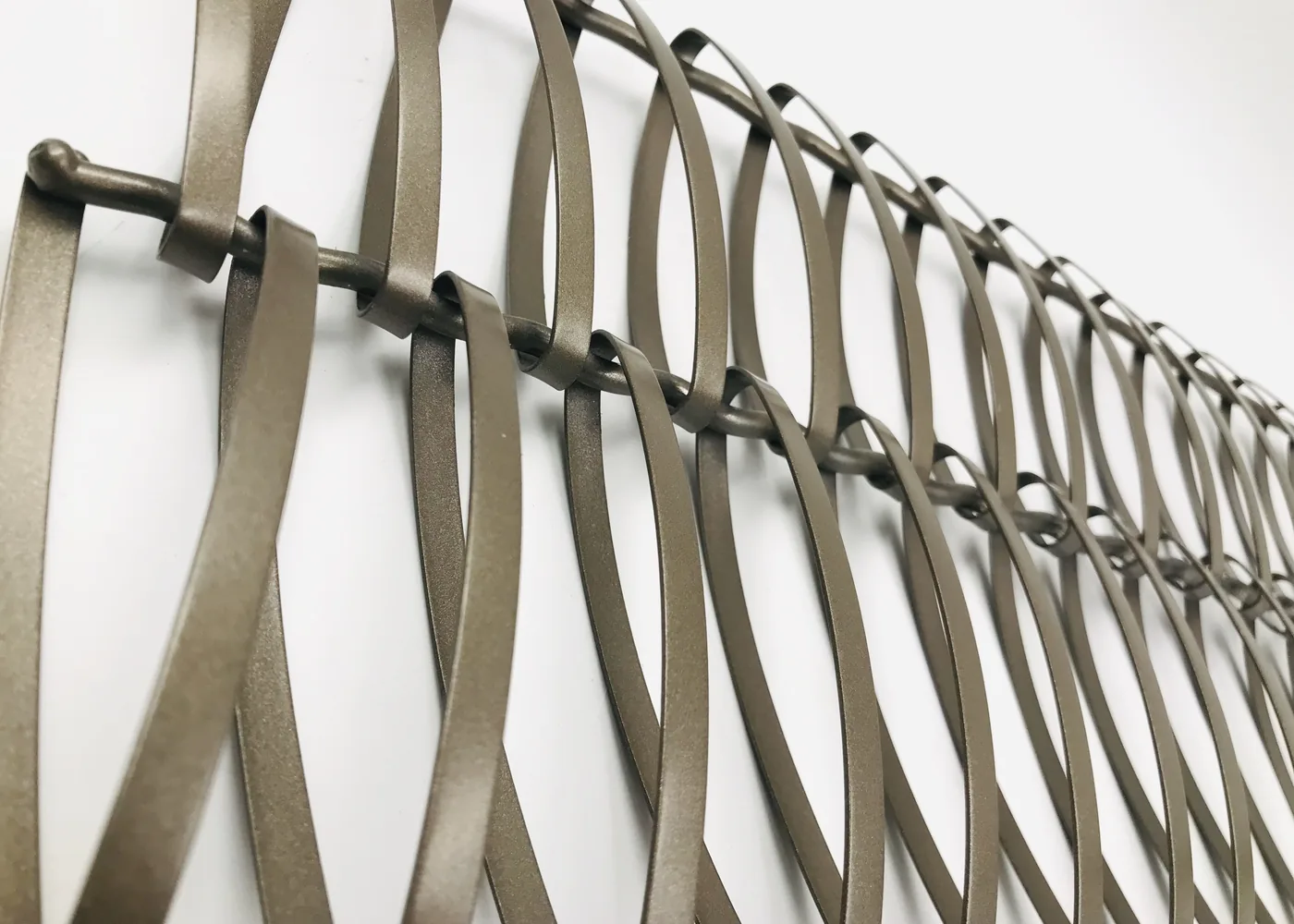
Buyers often receive two quotations for the same-looking mesh—one based on SS304 and another on SS316—and ask whether the higher grade is automatically necessary. The useful answer depends on where the mesh will be installed, what it will contact, how moisture can remain, which finish is required and how the surface will be maintained.
Direct answer
SS316 is generally considered when exterior mesh faces stronger corrosion exposure, especially coastal or high-humidity conditions. SS304 may be suitable for many lower-risk applications, but the final choice should be reviewed with environment, finish, support metal, and maintenance expectations together.
We connect the visible mesh to the order definition
In our material review, we do not treat the stainless grade as an isolated product label. We connect the stated grade with application, exterior or interior exposure, coastal or humid conditions, finish direction, cut edges, adjoining metals, sample reference and maintenance assumptions. Final suitability remains subject to project-specific technical and regulatory review.
Buyer questionShould this architectural mesh use SS304 or SS316?
SS304 directionOften considered for interior and lower-risk exposure, subject to the real project conditions.
SS316 directionOften considered where chloride, coastal or higher-humidity exposure raises corrosion concern.
Key riskChoosing by grade name alone while ignoring finish, contamination, interfaces, drainage and maintenance.
What to sendLocation, exposure, drawings, adjoining materials, finish target, cleaning access and maintenance expectation.
Compare the exposure conditions before selecting a grade
| Decision factor | SS304 review direction | SS316 review direction | What the buyer should confirm |
|---|---|---|---|
| Typical review direction | SS304 may be reviewed for interior, controlled or lower-risk environments. | SS316 may be reviewed where chloride or stronger exterior exposure is a concern. | What is the actual environment rather than the general label “outdoor”? |
| Coastal / chloride exposure | Requires careful qualification; grade alone should not be assumed sufficient. | Often preferred over SS304, while still requiring detailed exposure and maintenance review. | Distance from coast, direct salt exposure, humidity, prevailing wind and cleaning frequency. |
| Finish appearance | The intended surface route and sample must use a clearly identified material basis. | The same requirement applies; grade and finish both influence the approved appearance. | Does the physical sample represent the intended grade and process? |
| Interfaces | Contact with other metals, crevices, cut areas and retained moisture can raise risk. | Higher grade does not remove interface, drainage or contamination risk. | Which materials touch the mesh and can water or deposits remain? |
| Maintenance | Cleaning access and frequency remain part of suitability. | Cleaning and inspection remain necessary even with SS316. | Who maintains the facade or interior surface, and how will it be accessed? |
1. Define the exposure before comparing stainless grades
Indoor, sheltered exterior, urban exterior, coastal, poolside and industrial locations should not be grouped together. Record whether rain, salt, humidity, condensation, cleaning chemicals or deposits can reach the mesh and how long moisture can remain.
The words “interior” and “exterior” are only a starting point. A humid interior near chemicals can require more review than a well-maintained covered exterior.
2. Understand what the grade comparison can and cannot tell you
SS316 is commonly considered for stronger chloride-related exposure because its alloy composition generally provides improved resistance compared with SS304 in many such conditions. This is a material-selection direction, not a guarantee that corrosion cannot occur.
SS304 may remain suitable for many controlled or lower-risk architectural conditions. The project decision should consider expected service life, appearance, cleaning, budget and the consequences of staining or corrosion.
3. Review finish, fabrication and surface condition with the grade
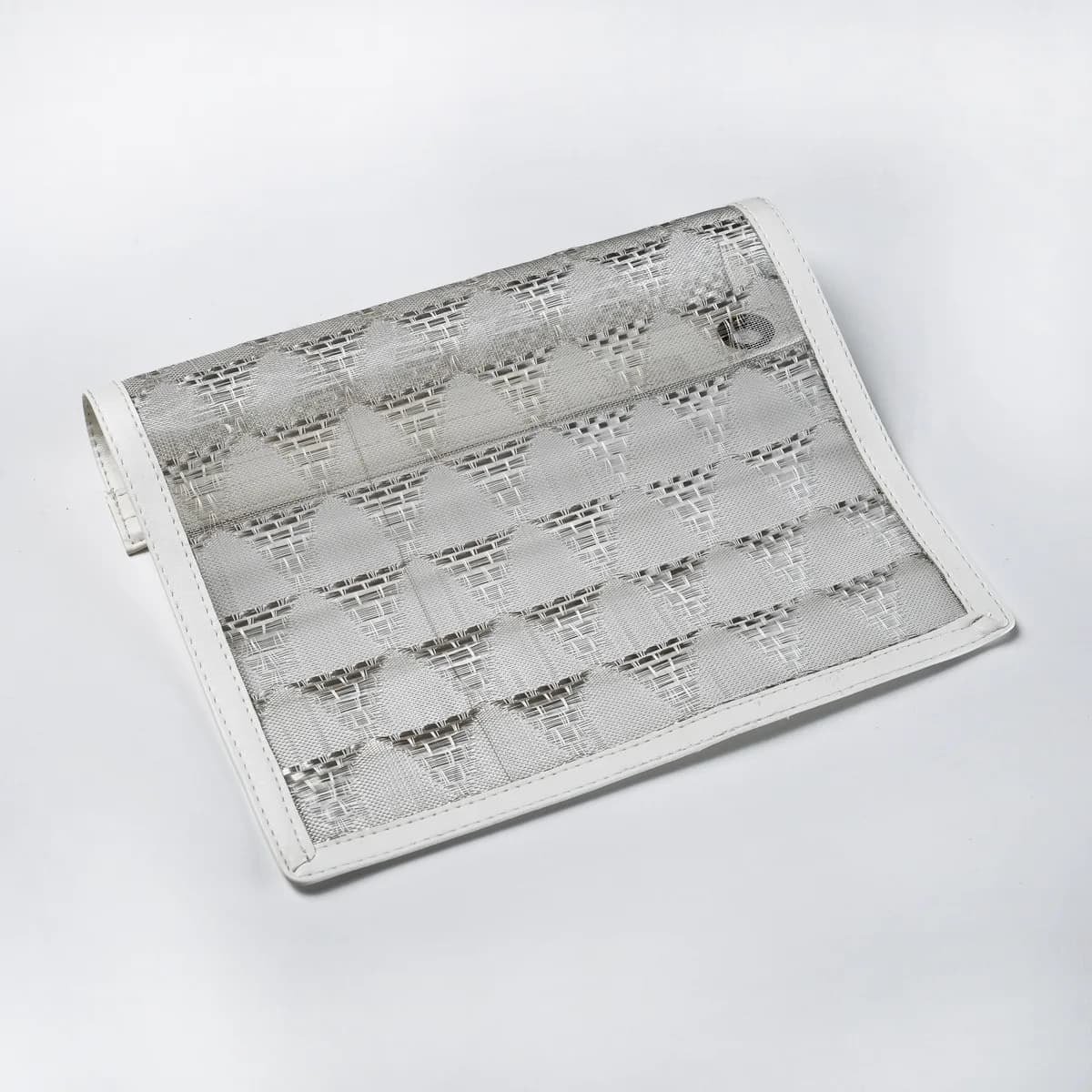
Surface finish affects appearance, cleaning and how deposits are seen. Cutting, forming, welding or handling can alter local surface condition. Iron contamination from unsuitable tools or nearby work can also create problems unrelated to the nominal stainless grade.
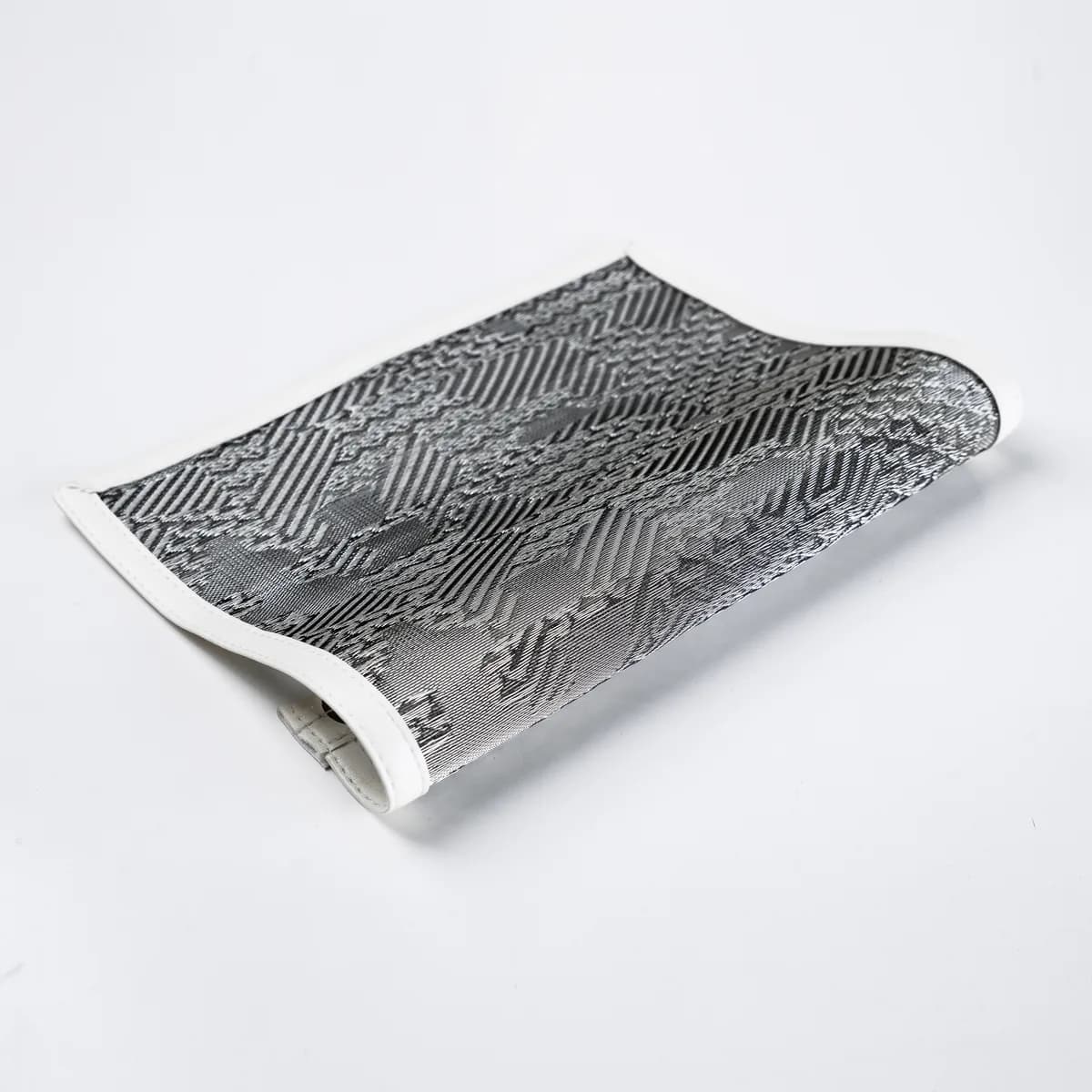
Confirm the intended finish and use a relevant physical sample. Record which material and process produced the reference so visual approval is connected to the proposed order.
4. Check adjoining metals, trapped moisture and maintenance access
Review frames, brackets, fasteners and adjacent materials together with the mesh. Crevices, contact between dissimilar metals, retained salts, cut edges and locations that cannot drain or dry can change the risk condition.
A maintenance assumption should be explicit. Consider cleaning access, expected frequency, water quality, permitted cleaning agents and who is responsible after installation.

5. Make the material decision traceable before production
Record the grade, applicable material reference, finish, drawing revision, sample identity and any project-specific limitations. Do not allow “stainless steel” to remain the only material description when the grade affects the order decision.
Where the environment or consequence is demanding, seek the appropriate project engineer, material specialist, testing or regulatory review. The quotation and order record should state the confirmed basis and the items that remain outside the supplier’s product scope.
Make hidden assumptions visible before production
From my experience, buyers gain more from describing the environment than from asking for a quick grade recommendation. I ask whether the mesh is interior, sheltered or fully exposed, whether the site is coastal or humid, what metals touch it, which finish is expected and how it will be cleaned. That information makes the SS304-versus-SS316 discussion more useful and prevents a higher grade from being treated as a substitute for good detailing and maintenance.
How a specification becomes a reviewable order basis
SituationThe buyer must compare SS304 and SS316 quotations for an architectural mesh application.
What we reviewLocation, exposure, humidity or chloride context, finish, fabrication, interfaces, drainage, cleaning access and maintenance.
Why it mattersGrade, surface condition and project detailing work together; the material name alone does not define service performance.
What is confirmedMaterial direction, finish reference, sample basis, drawing revision and project-specific limitations.
Buyer lessonDescribe the exposure and consequence first, then compare grades against the same finish and scope.
Know where general guidance must stop
- Do not describe SS316 as corrosion-proof or maintenance-free.
- Do not assume every exterior requires SS316 or every interior can use SS304 without reviewing conditions.
- Do not approve a finish sample without knowing whether its material and process match the proposed order.
- Do not use general grade guidance as a substitute for project-specific engineering, testing, codes or professional material advice.
Questions buyers ask before quotation
Is SS316 always required outdoors?
Not always. Exterior use should be evaluated by exposure level, finish target, location, support detail, and maintenance expectation.
Can finish choice affect corrosion planning?
Yes. Finish route, surface condition, cleaning method and contact details should be reviewed together with the material grade.
Is SS316 corrosion-proof?
No. SS316 generally offers stronger resistance in many chloride-related conditions than SS304, but it is not immune to corrosion. Exposure, fabrication, contamination, finish, drainage and maintenance still matter.
Can SS304 be used for an exterior facade?
It may be considered for some lower-risk exterior conditions, but the decision requires the actual location, exposure, finish, support interface, maintenance and project requirements.
Should the sample use the final stainless grade?
Preferably, especially when finish, colour or surface appearance is being approved. If a different grade is used, record which characteristics the sample can and cannot represent.
What project information is needed for material review?
Provide location, distance from coast when relevant, indoor or exterior exposure, humidity or chemical context, drawings, adjoining metals, finish expectation, cleaning access and maintenance assumptions.