Architectural Metal MeshProvenStableVerified

Application

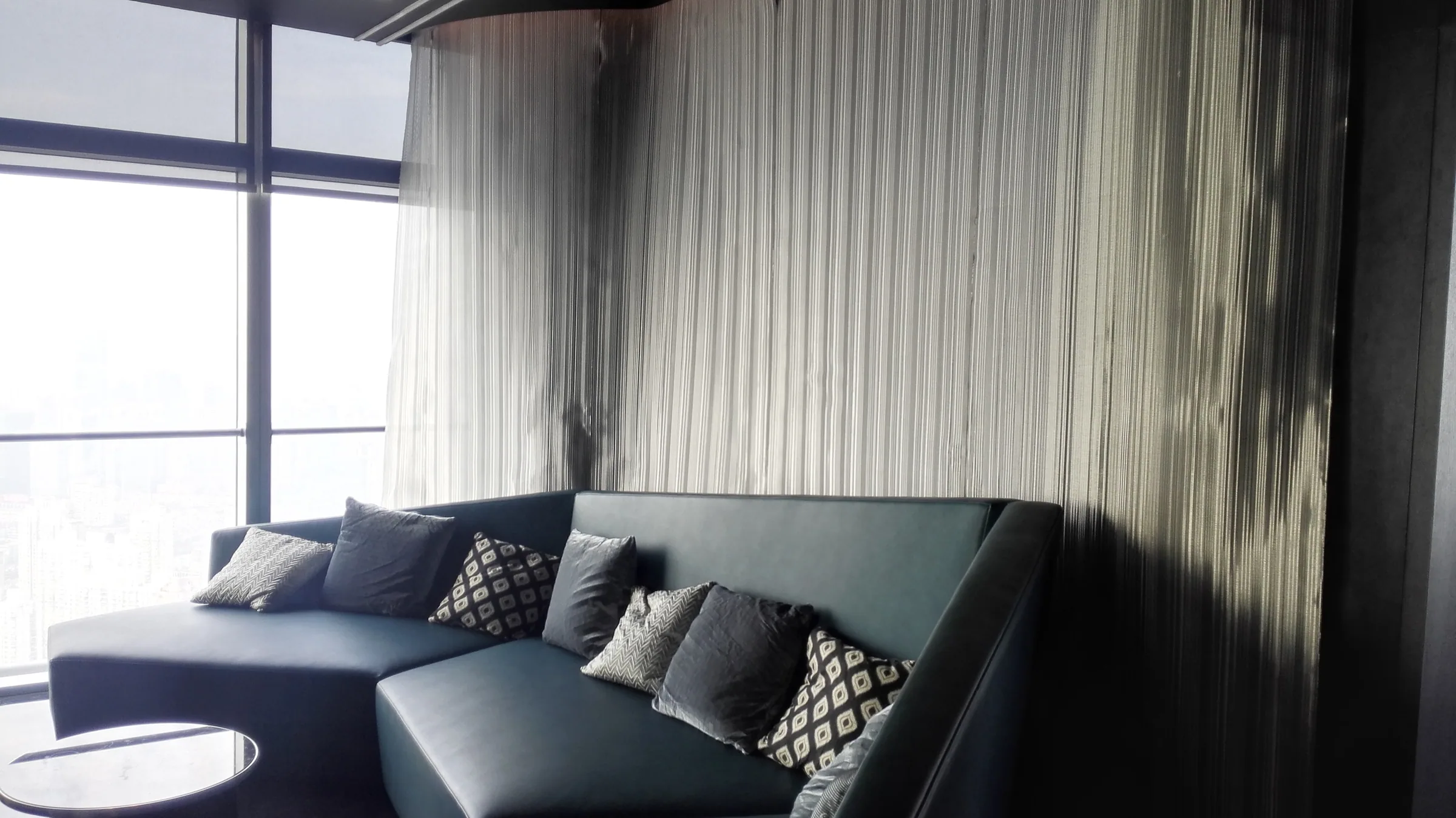
Interior Decorative Metal Mesh

Decorative mesh directions for feature walls, elevator surfaces, ceilings, and interior screens.

Interior Decorative Metal Mesh application reference
Application referenceReview context before fixing a model

Use the image to discuss scale, interfaces and design intent. It is not a complete specification.

Product starting points

Compare three structures in the project context

An interior decorative route is shaped by close-view texture, reflection, color direction, substrate, edge transition, lighting, handling, and sample expectations.

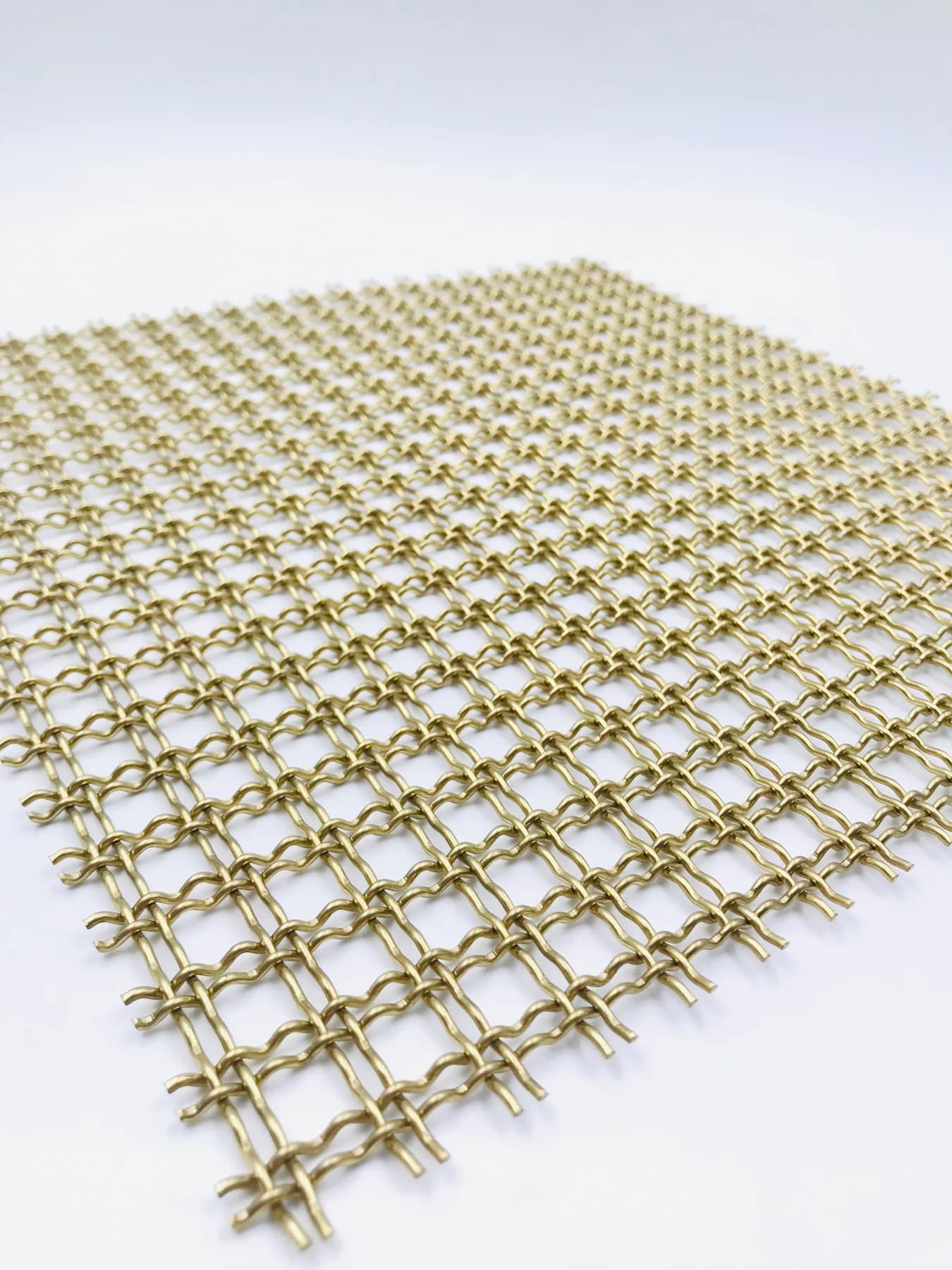
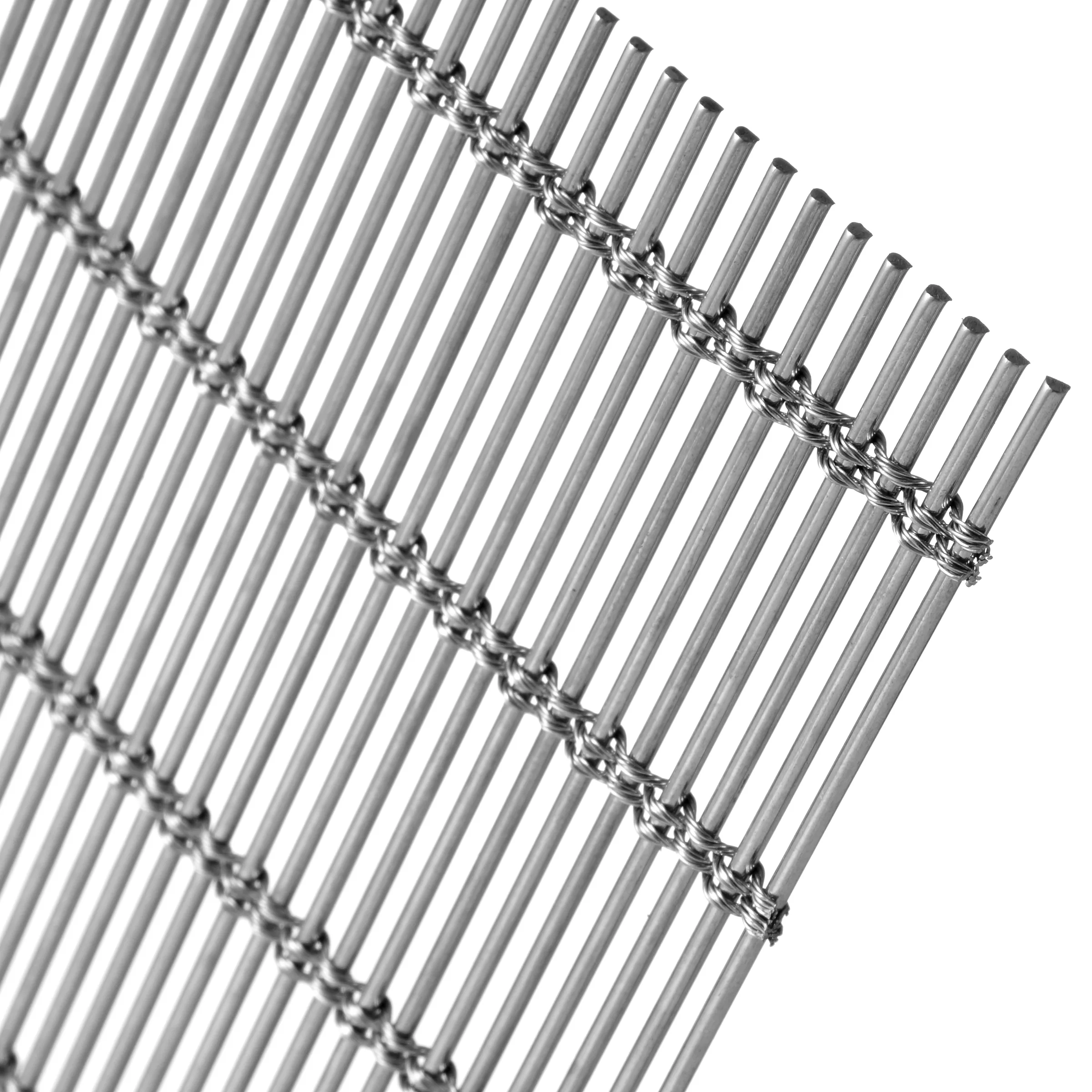
JA-A002 Art Mesh Weave model reference
Art Mesh Weave

JA-A002

JA-A002 is an approved selection reference within the Art Mesh family. Use the reviewed images to identify the model during project discussion; confirm all project details in the current drawings, sample record and quotation.

Review product detail ->
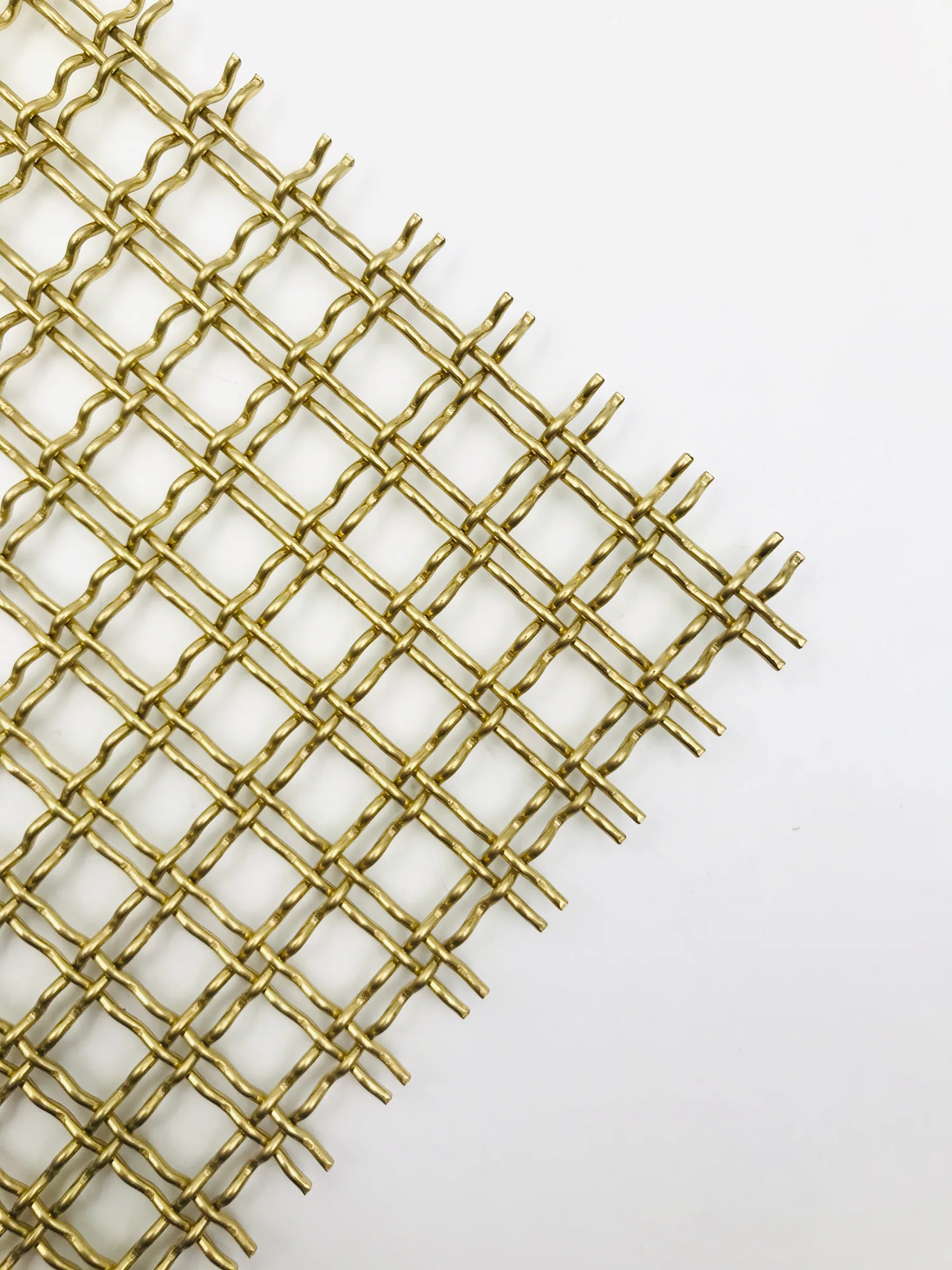
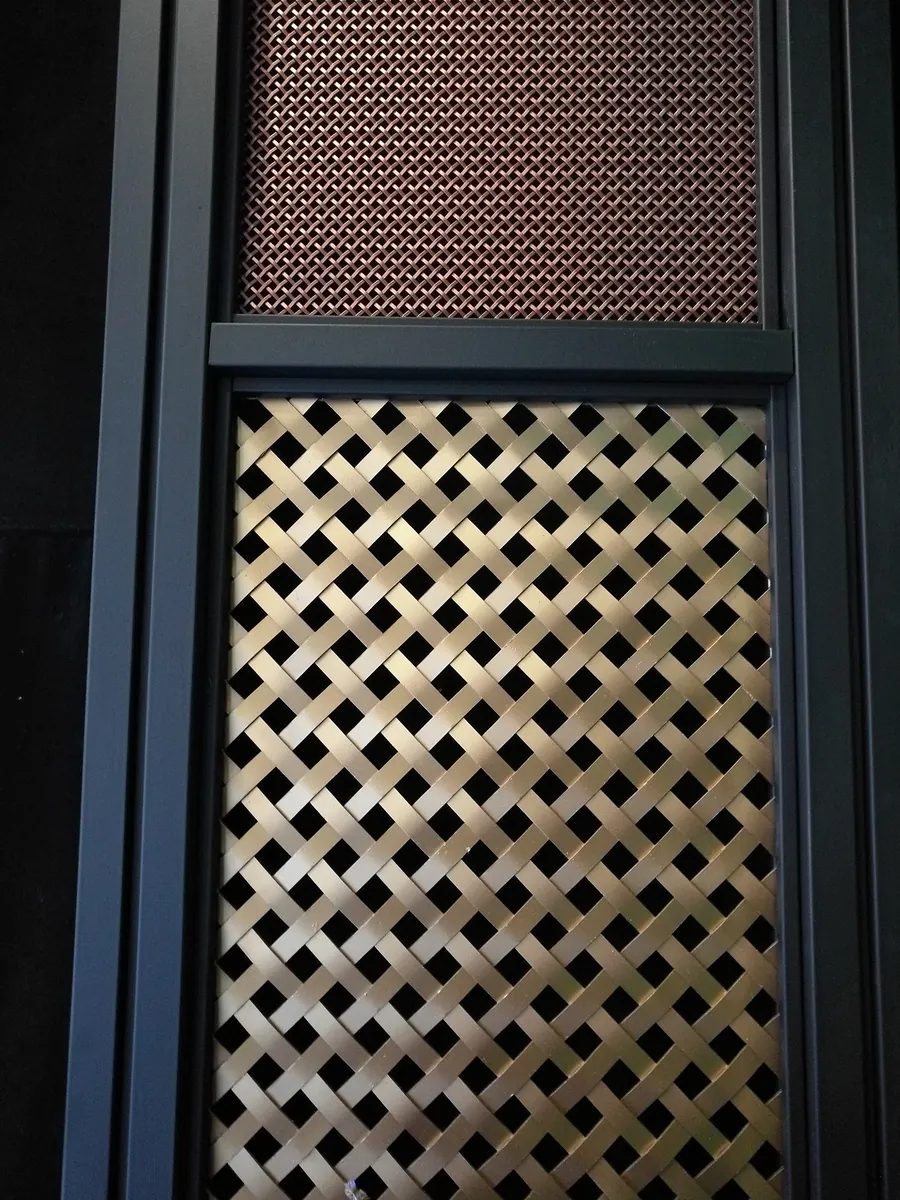
JA-Y010 Rigid Metal Fabric model reference
Rigid Metal Fabric

JA-Y010

JA-Y010 is an approved selection reference within the Rigid Metal Fabric family. Use the reviewed images to identify the model during project discussion; confirm all project details in the current drawings, sample record and quotation.

Review product detail ->
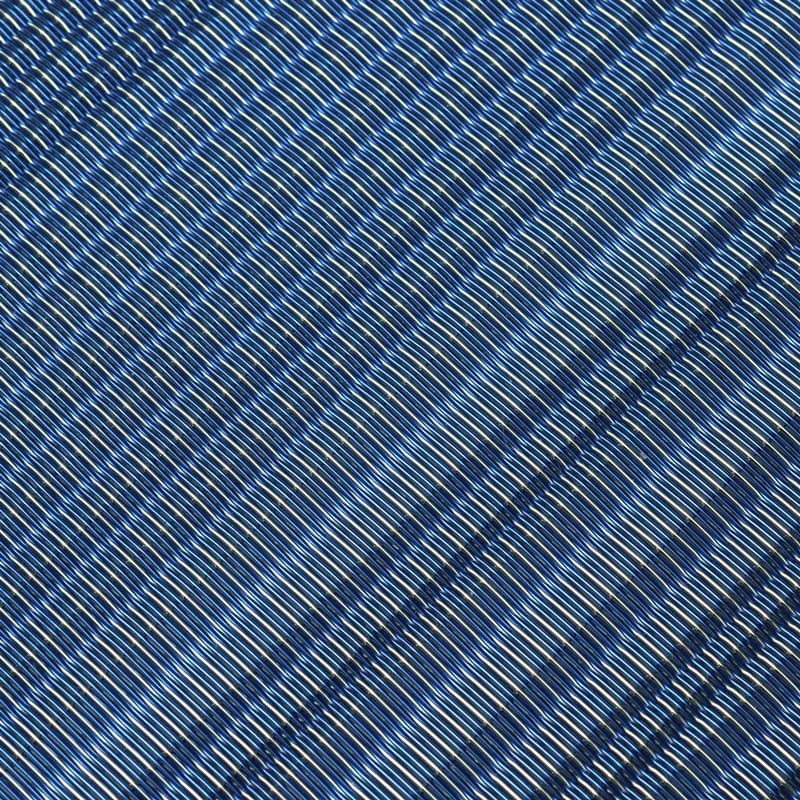
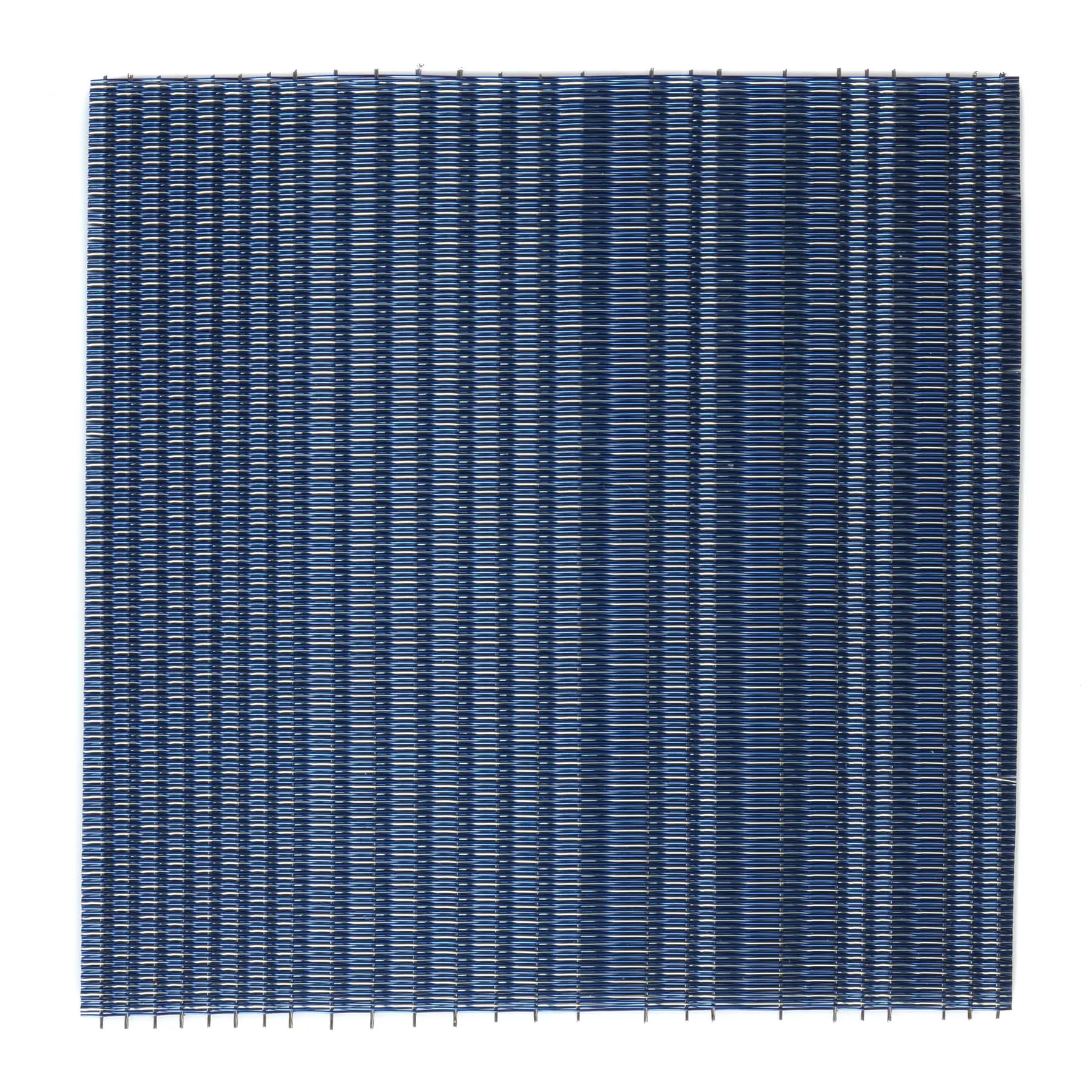
JA-F003 Flexible Metal Fabric model reference
Flexible Metal Fabric

JA-F003

JA-F003 is an approved selection reference within the Flexible Rod Fabric family. Use the reviewed images to identify the model during project discussion; confirm all project details in the current drawings, sample record and quotation.

Review product detail ->
Confirm first

Inputs that shape product fit

  • Viewing distance and lighting
  • Texture, reflection, and color direction
  • Substrate and edge transition
Where projects drift

Risks to resolve before release

  • Approving a loose sample without its backing and lighting
  • Visible cut edges, seams or substrate gaps
  • Surface damage during fabrication, transport or fit-out
JBL review route

Move toward a reviewable project item

Translate a decorative surface into buildable panels with controlled colour, backing, edges, seams and protection.

Start with drawings and references ->
Application evidence

Use reference views to test the next decision

Interior decorative mesh is viewed at close range and often under directional artificial light. Surface consistency, backing, seams, edges, protection and cleaning can determine acceptance more than a catalogue photograph.

Project controls

Keep appearance, material and installation in one review

Open only the decision group you need. Each item should connect to the current drawing, sample or responsibility boundary.

01Design decisions
  • Viewing distance, lighting and desired surface depth
  • Backing colour, substrate and visibility through the mesh
  • Panel seams, pattern direction and corner treatment
  • Touch access, cleaning and replacement expectations
02Material & finish
  • Approve colour, gloss, texture and reflection with a physical reference
  • Review finish under representative warm and cool light where relevant
  • Record the acceptable reference rather than relying on screen colour
  • Define protection requirements for visible surfaces before handling
03Installation & interfaces
  • Coordinate substrate flatness, fixing access and edge concealment
  • Resolve cut-outs, returns, corners and adjacent finishes
  • Mark face direction and panel sequence on drawings
  • Plan surface protection through packing, delivery and installation
04Approval evidence
  • Close-view sample or representative finished panel
  • Drawing with backing, seams, edges and cut-outs
  • Finish reference and recorded approval comments
  • Inspection and surface-protection packing records
What to send

Give the first review enough context

  1. 01

    Interior drawings or area

  2. 02

    Viewing and lighting conditions

  3. 03

    Finish or material reference

  4. 04

    Substrate, edge, and sample requirements

Buyer FAQ

Questions that change the decision

Why does the backing matter?

A dense or partially open mesh can reveal the substrate colour and joints. Backing changes contrast, depth and the way the surface reads under light.

Can colour be approved from a photograph?

A photograph is a direction only. Physical samples under representative lighting are more useful for approving colour, gloss and reflection.

What should be checked before installation?

Panel identity, orientation, substrate readiness, edge and seam logic, fixing access, surface condition and protection sequence should be confirmed.

Next review

Share the project information you already have

Drawings, dimensions, reference images, finish direction, quantity and timeline can frame the next review.

WhatsAppDiscuss a project
Interior Decorative Metal Mesh