Architectural Metal MeshProvenStableVerified

Application

Custom Architectural Metal Mesh

A drawing-led route for projects that need custom geometry, texture, finish, or sample development.

Custom Architectural Metal Mesh application reference
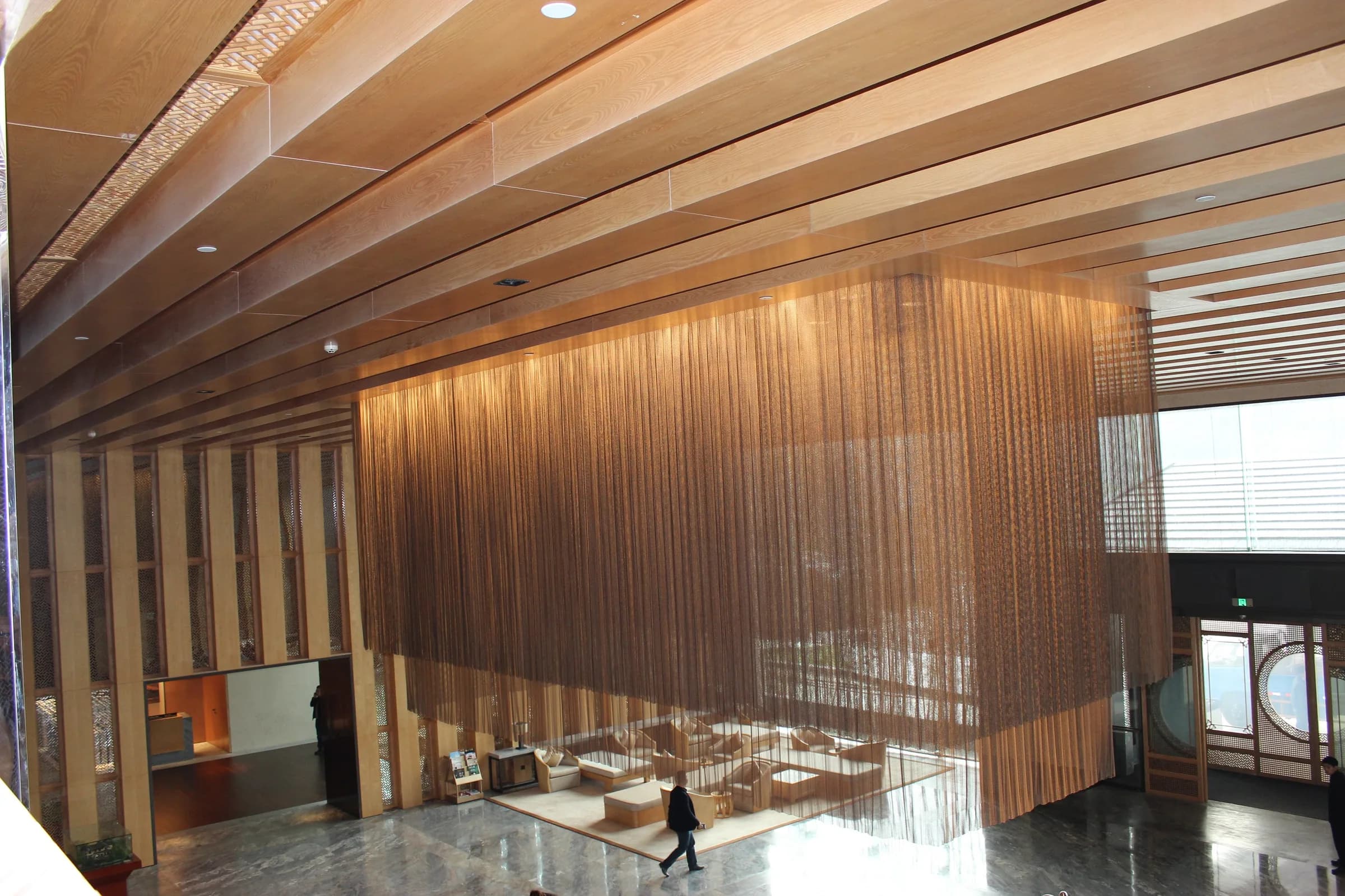
Application referenceReview context before fixing a model

Use the image to discuss scale, interfaces and design intent. It is not a complete specification.

Product starting points

Compare three structures in the project context

A custom route starts from the project idea, geometry, reference images, visual target, interface conditions, repeatability needs, and the questions a sample must answer.

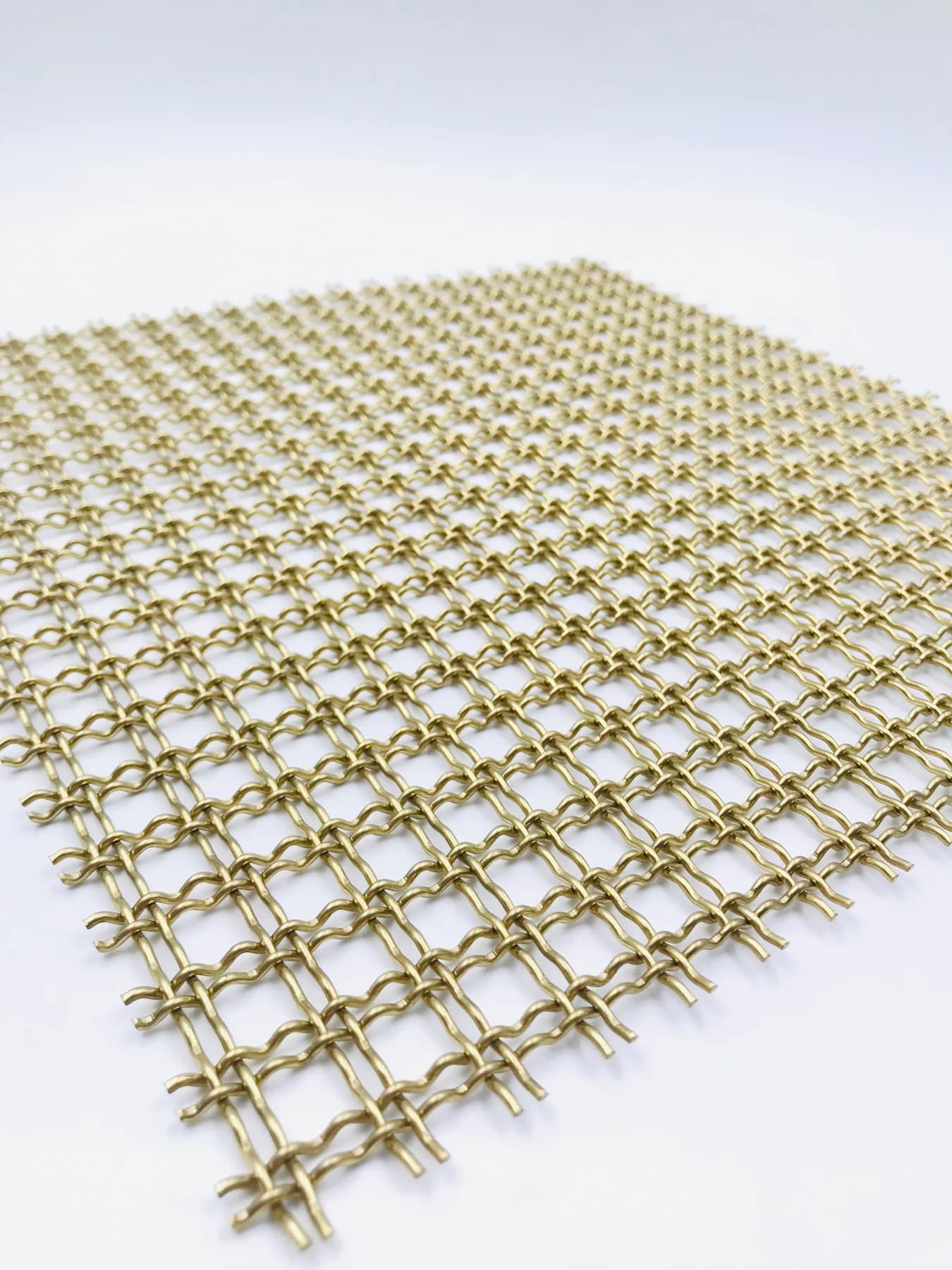
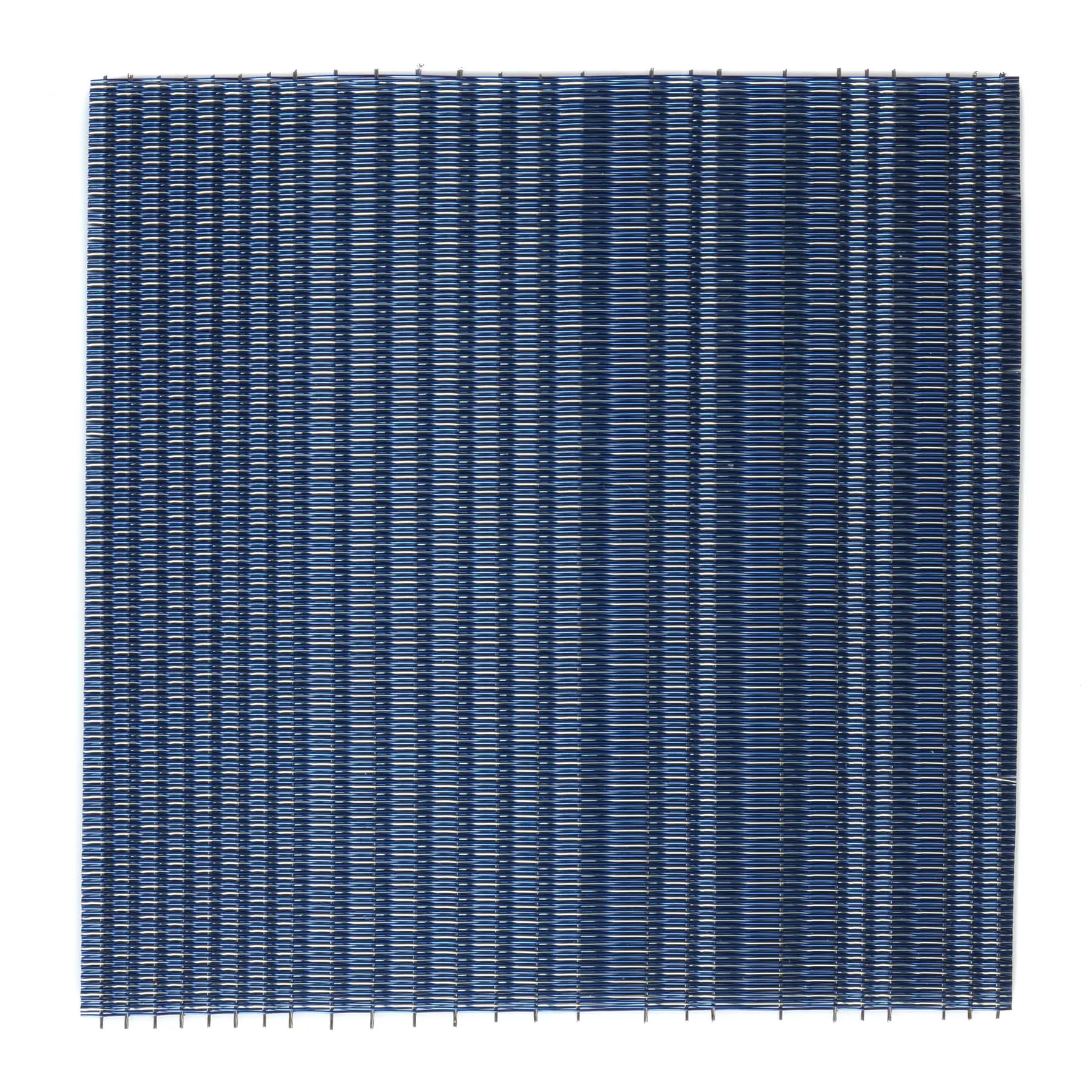
JA-A002 Art Mesh Weave model reference
Art Mesh Weave

JA-A002

JA-A002 is an approved selection reference within the Art Mesh family. Use the reviewed images to identify the model during project discussion; confirm all project details in the current drawings, sample record and quotation.

Review product detail ->
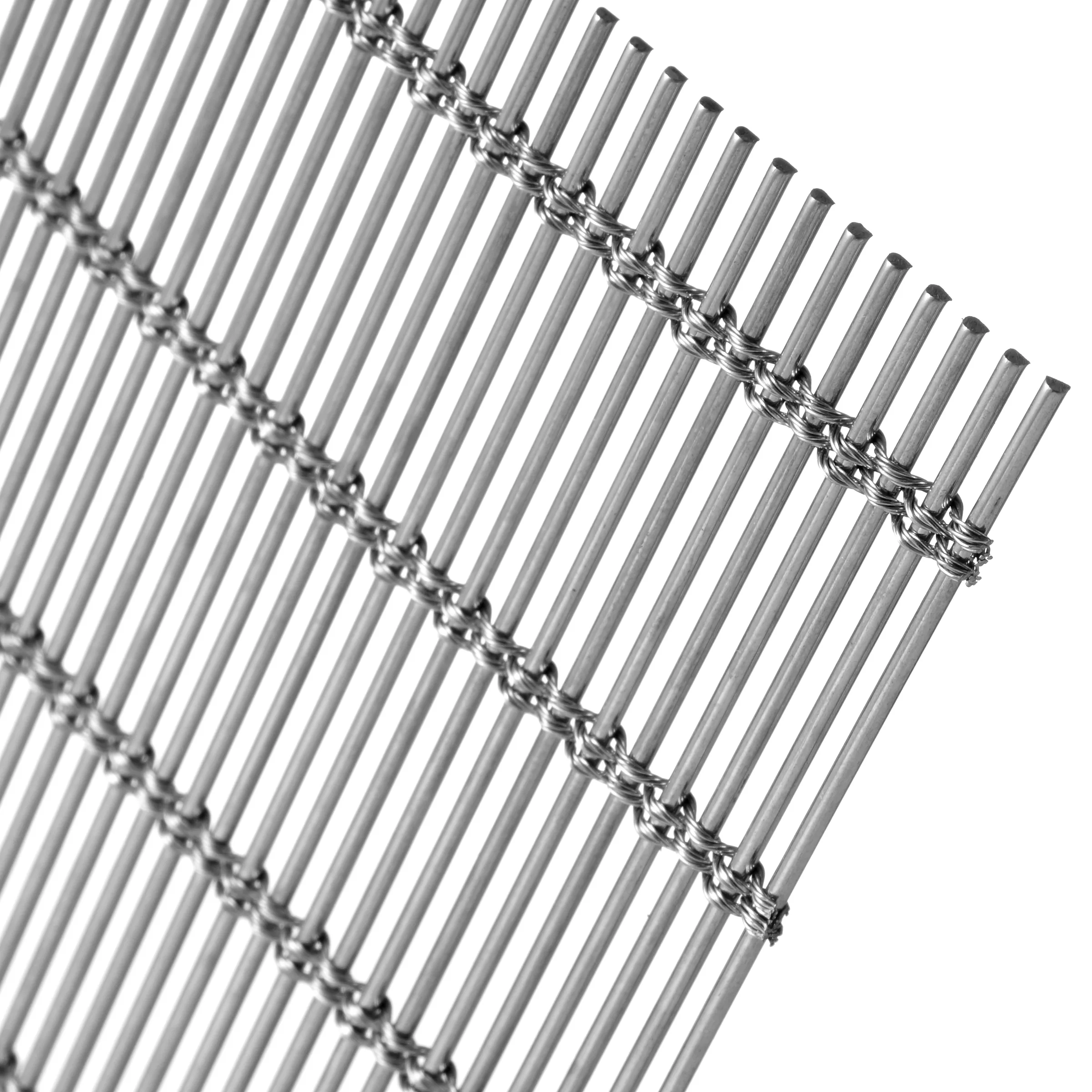
JA-Y010 Rigid Metal Fabric model reference
Rigid Metal Fabric

JA-Y010

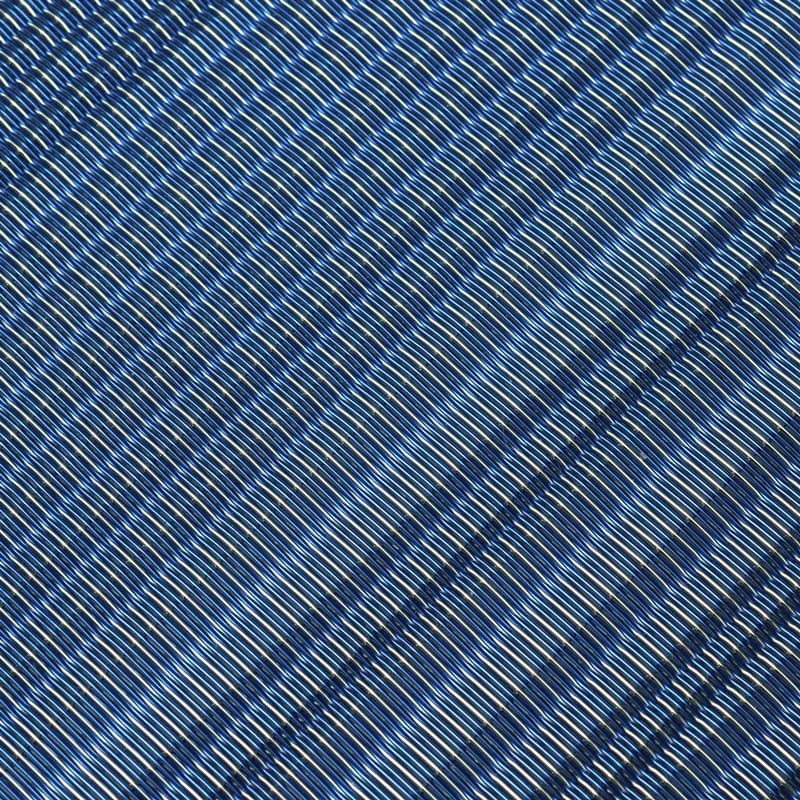
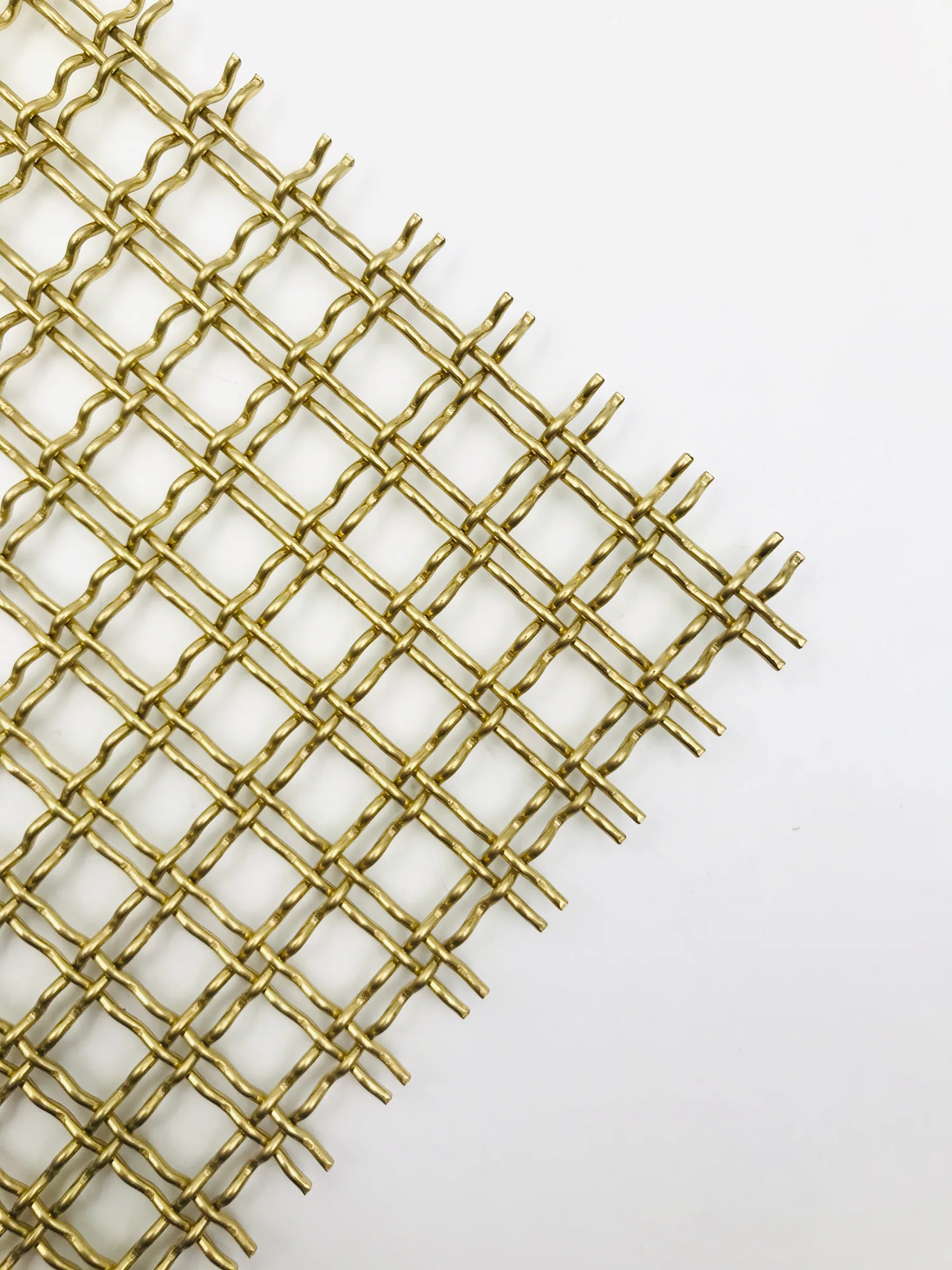
JA-Y010 is an approved selection reference within the Rigid Metal Fabric family. Use the reviewed images to identify the model during project discussion; confirm all project details in the current drawings, sample record and quotation.

Review product detail ->
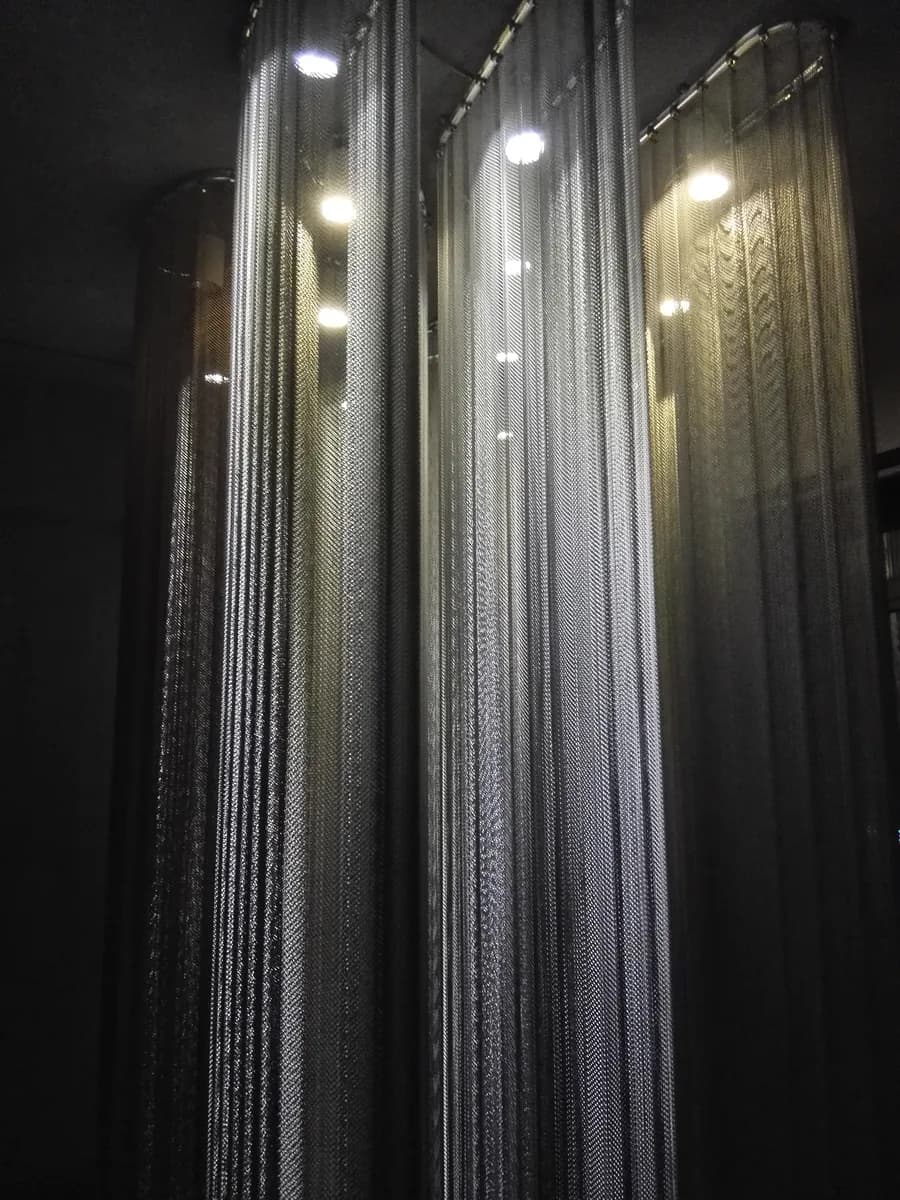
JA-F003 Flexible Metal Fabric model reference
Flexible Metal Fabric

JA-F003

JA-F003 is an approved selection reference within the Flexible Rod Fabric family. Use the reviewed images to identify the model during project discussion; confirm all project details in the current drawings, sample record and quotation.

Review product detail ->
Confirm first

Inputs that shape product fit

  • Concept and geometry translation
  • Texture and finish direction
  • Interfaces and edge conditions
Where projects drift

Risks to resolve before release

  • Releasing an order before prototype acceptance points are recorded
  • Changing scale, material or finish after sample approval
  • Treating a visual reference as a complete project specification
JBL review route

Move toward a reviewable project item

Convert a visual idea into a controlled prototype, recorded acceptance criteria and a repeatable fabrication route.

Start with drawings and references ->
Application evidence

Use reference views to test the next decision

Custom architectural mesh begins with a design question, not a fixed catalogue answer. The prototype must have a defined purpose and acceptance criteria so the project team knows what is being tested before repeat work is discussed.

Project controls

Keep appearance, material and installation in one review

Open only the decision group you need. Each item should connect to the current drawing, sample or responsibility boundary.

01Design decisions
  • Design intent, target texture and viewing distance
  • Which geometry, colour, finish or movement is custom
  • Prototype scale and the question it must answer
  • Acceptance criteria, repeatability and revision responsibility
02Material & finish
  • Separate visual direction from confirmed material specification
  • Use a physical reference for colour, reflection and tactile qualities
  • Record any approved range or variation relevant to the concept
  • Review maintenance and contact conditions for the intended application
03Installation & interfaces
  • Define substrate, support, edges and interfaces during prototype planning
  • Include representative corners, seams or fixings when they affect approval
  • Control drawing revision between prototype and repeat execution
  • Confirm how non-standard pieces, accessories and orientation will be identified
04Approval evidence
  • Concept and revision-controlled development drawing
  • Prototype with stated approval purpose
  • Recorded comments and accepted reference
  • First-article or repeatability checks where included in the order scope
What to send

Give the first review enough context

  1. 01

    Concept image, drawing, or sketch

  2. 02

    Dimensions and intended application

  3. 03

    Material and finish direction

  4. 04

    Sample goal, quantity, and project stage

Buyer FAQ

Questions that change the decision

What should a custom prototype prove?

State the question before it is made: geometry, scale, finish, edge, interface, movement, assembly or repeatability. One prototype may not prove every point.

When does a concept become order-ready?

When the approved design definition, dimensions, material and finish direction, interfaces, acceptance points, quantity and responsibility boundaries are recorded.

How are design changes controlled?

Use identified drawing and sample revisions. A change to geometry, material, finish or interface should be reviewed for its effect on approval and order scope.

Next review

Share the project information you already have

Drawings, dimensions, reference images, finish direction, quantity and timeline can frame the next review.

WhatsAppDiscuss a project
Custom Architectural Metal Mesh