Panel size & direction
Share panel dimensions, cable/rod orientation and the proposed division of the surface.
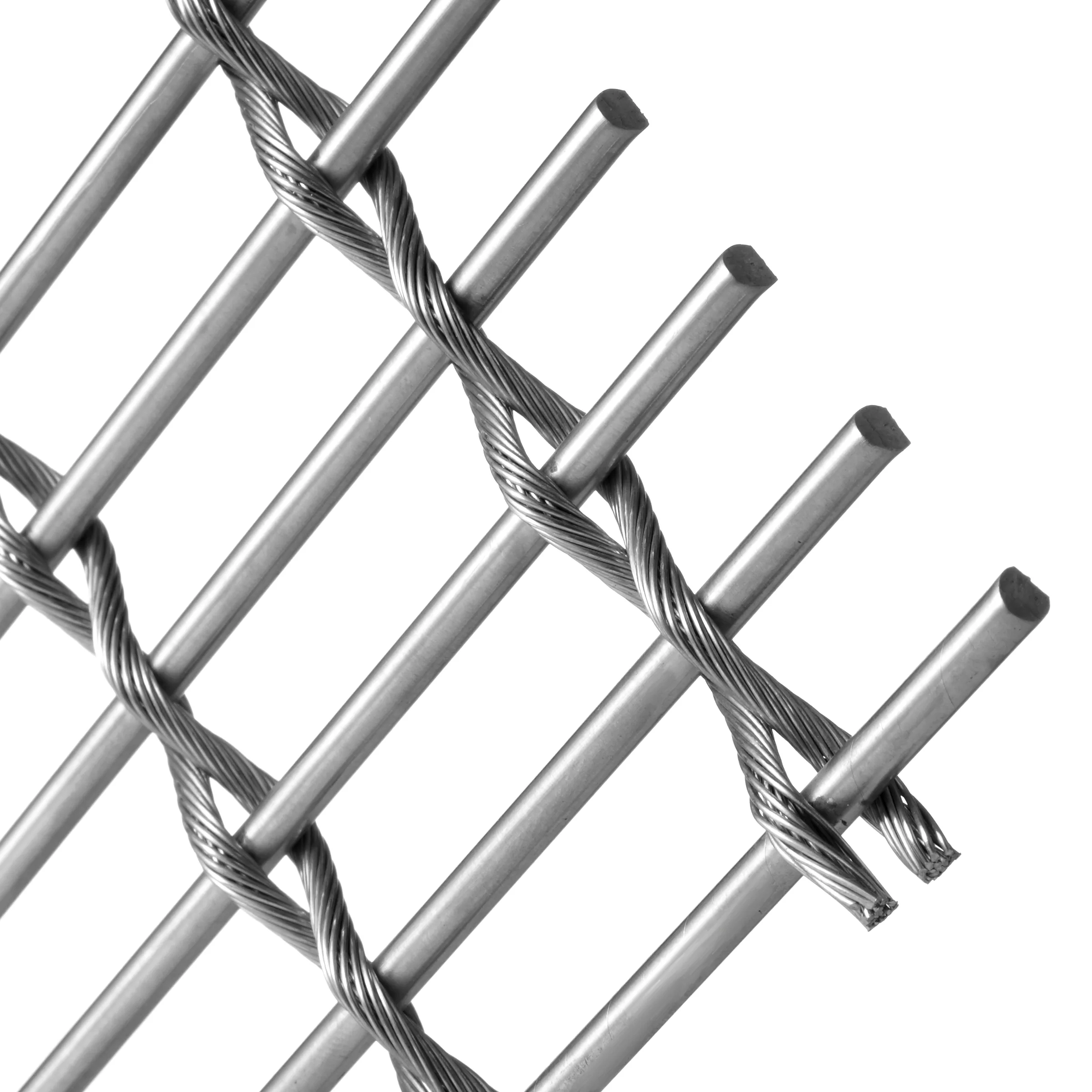
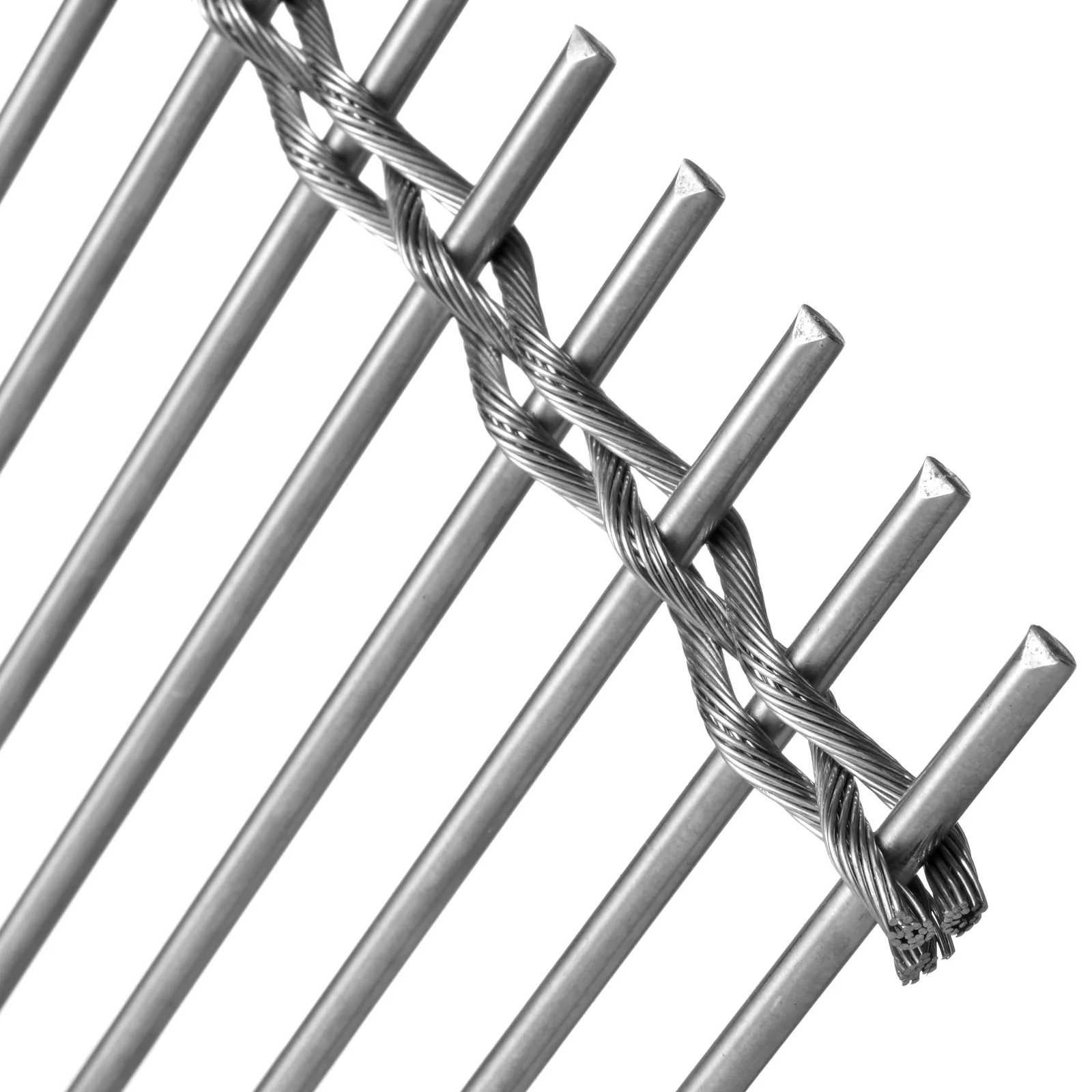
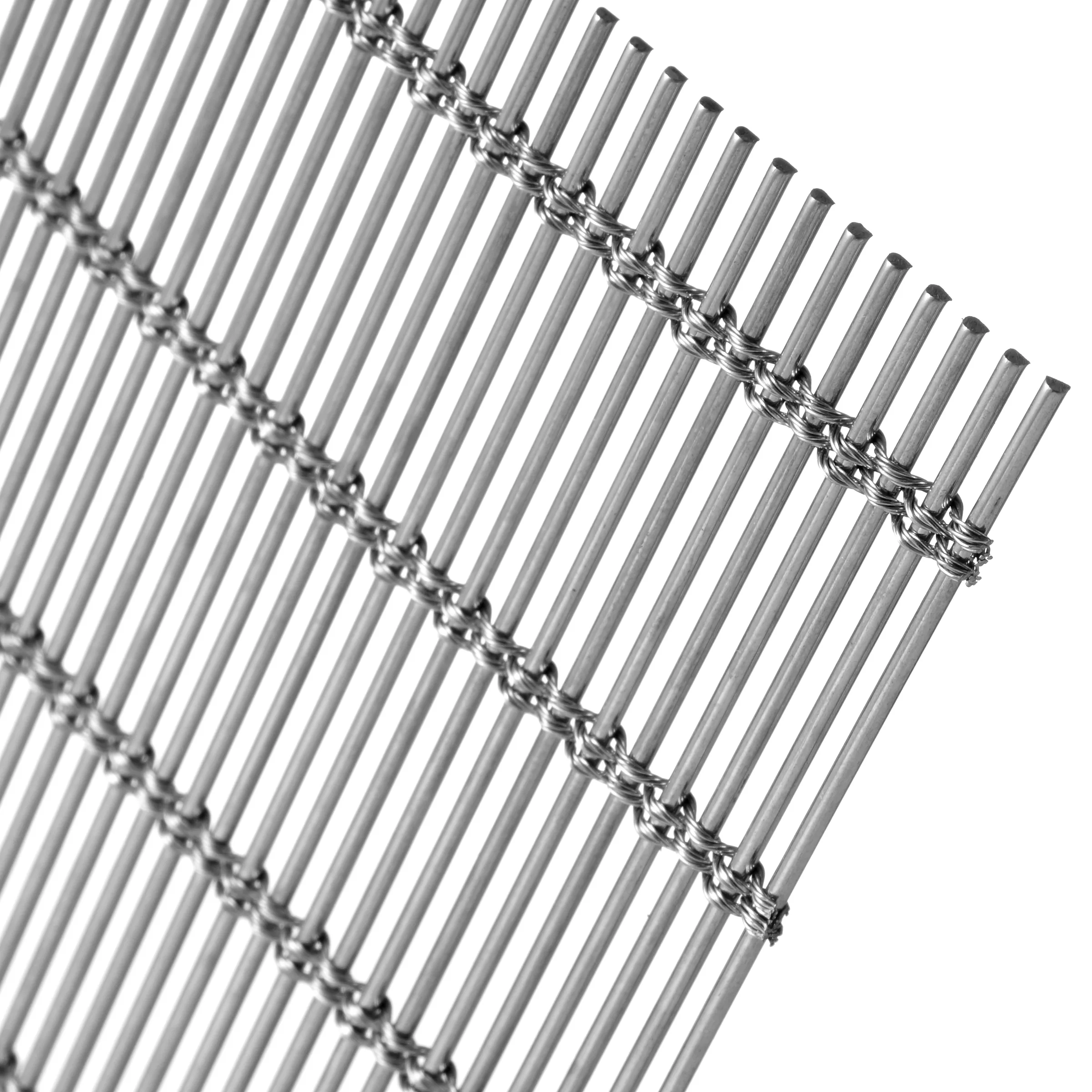
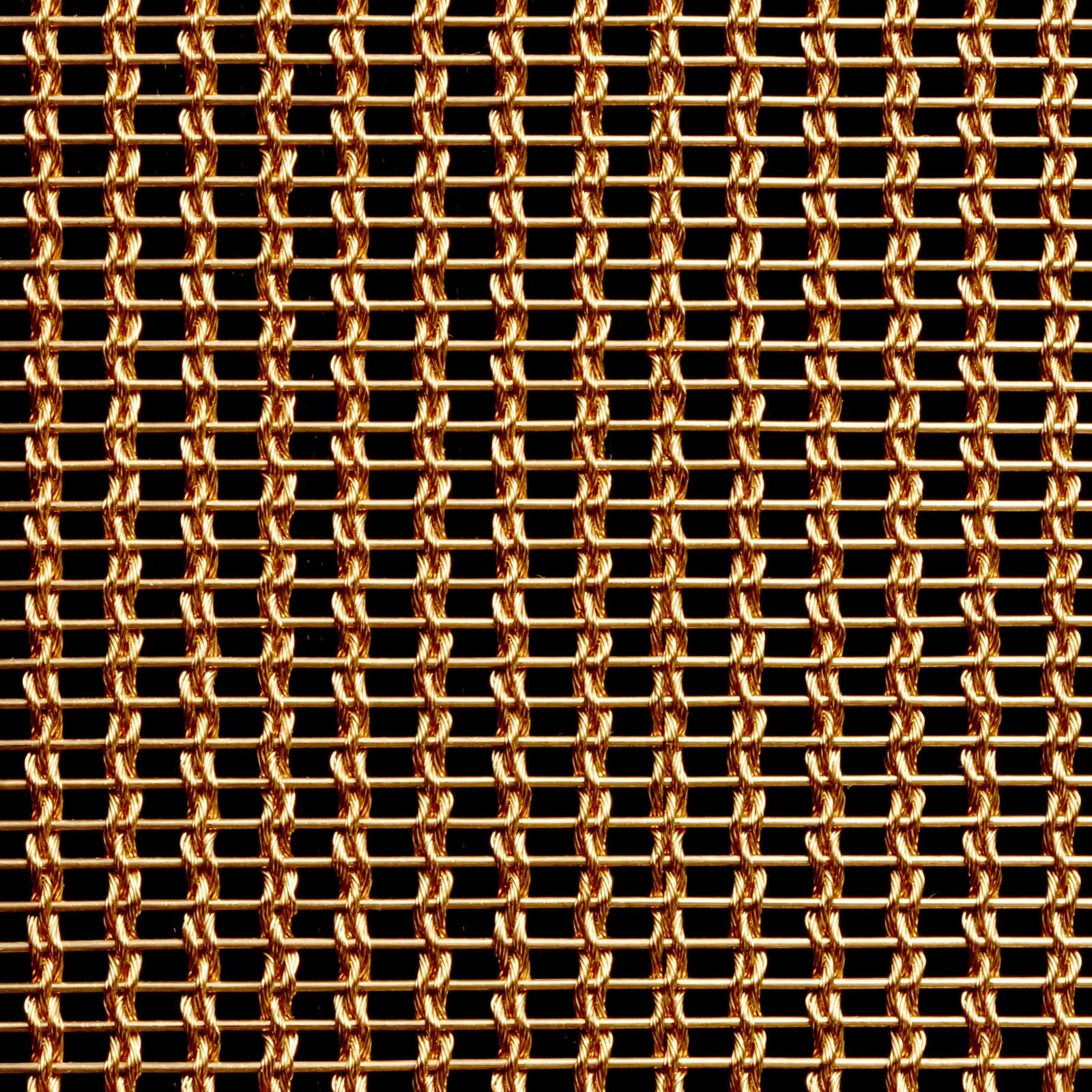
JA-F004 is a Flexible Metal Fabric direction for project review. Compare its visible structure with the application, panel format, support, finish and edge conditions before selecting it.
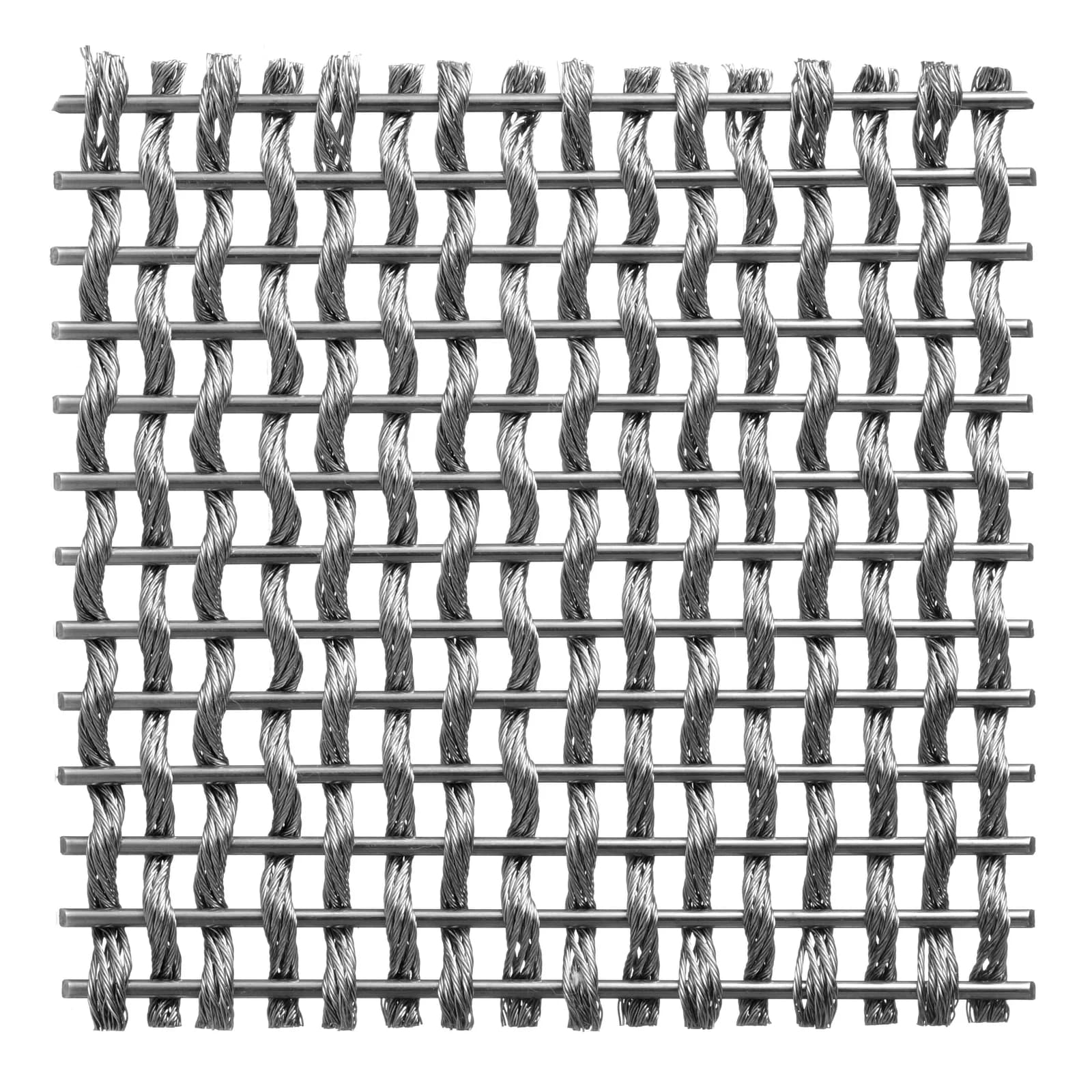
Cable-and-rod woven surfaces reviewed for visual density, panel weight, orientation, support and connection details. The model image establishes a starting direction; final configuration and project fit follow the drawings, sample and installation review.
Review this structure as a flexible architectural surface. Orientation, support, restraint, panel divisions and edge treatment must align with the project drawings.
Review the primary facade application route →Final application, dimensions, material, finish, edges and installation details are confirmed against the current project requirements.
For JA-F004, review mesh direction, panel divisions and the connection between the woven surface and its supports. Start with the intended application and current drawing or sketch.
Share panel dimensions, cable/rod orientation and the proposed division of the surface.
Identify supporting construction, restraint or tensioning concept and access to connection points.
Show edge bars, terminations or adjacent framing where these form part of the proposed system.
Provide the colour reference, viewing direction, exposure and surrounding material context.
Open project details Confirm during project review.
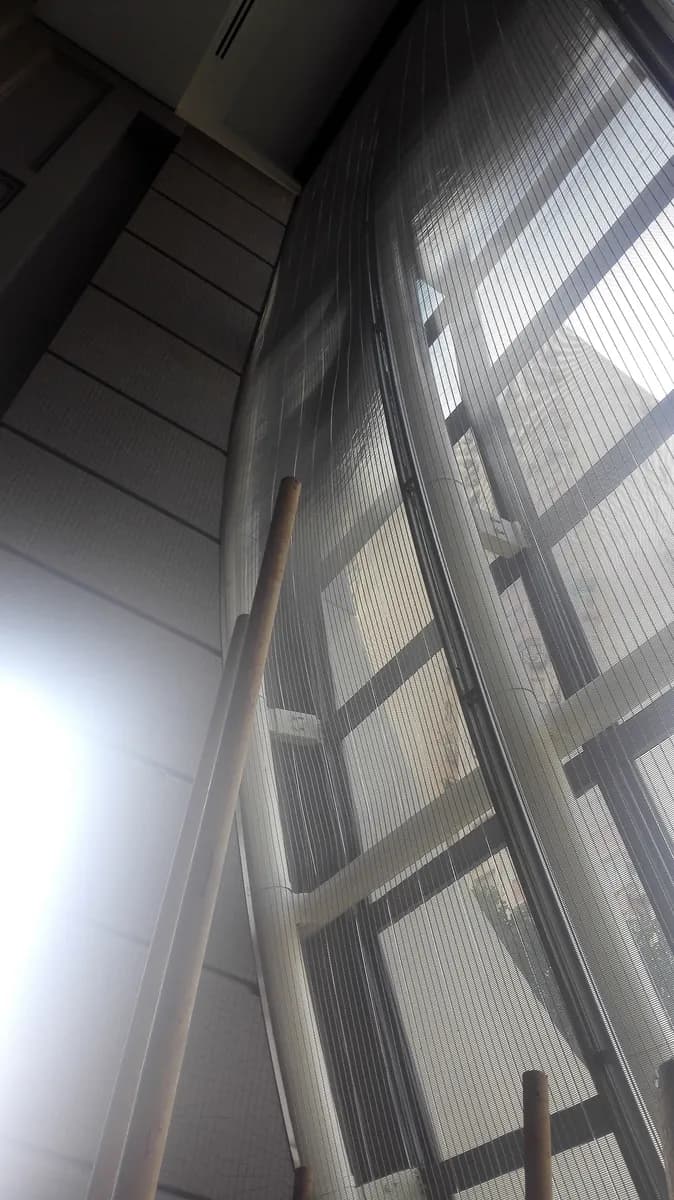
Application context reference — not attributed to this model.
Review the application context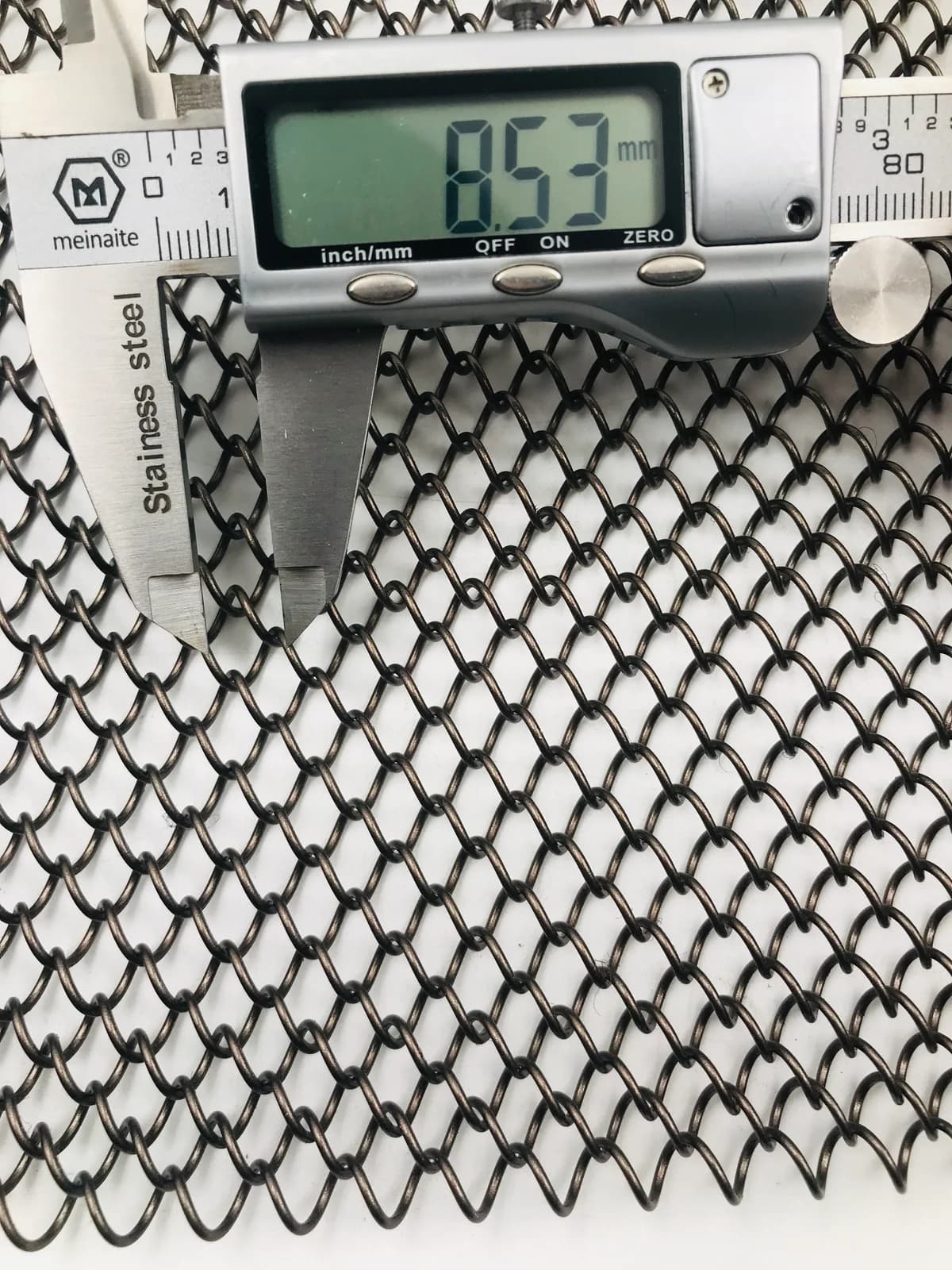
Define what the JA-F004 sample should confirm. Agreed sample characteristics are measured and recorded.
For an approved sealed reference, the customer and JBL Metal each retain one sample. Production follows that reference together with the approved order drawings and specifications.
After style approval, production is controlled against the approved sample and order drawings/specifications. Keep the JA-F004 reference connected to each agreed check.
Keep the model, current drawing revision, accepted sample and agreed inspection points linked to the order.
Our current cadence for active orders is a Thursday Order Status, bringing together progress, open points and the next action. Timing follows the agreed order communication plan.
Final fixing, acceptance criteria, responsibilities and delivery conditions follow the approved project and order documents.
These family-level references help identify the fixing questions for your project. Final fixing method depends on substrate, load, edge and interface details, and access and maintenance conditions. Project review is required.
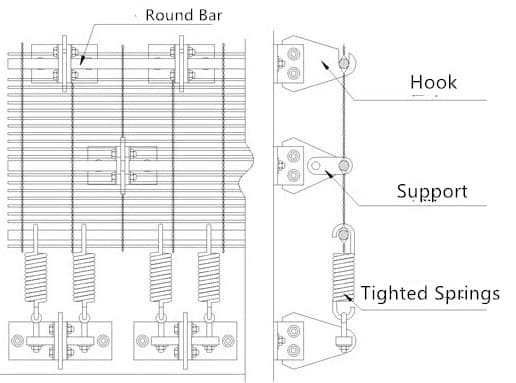
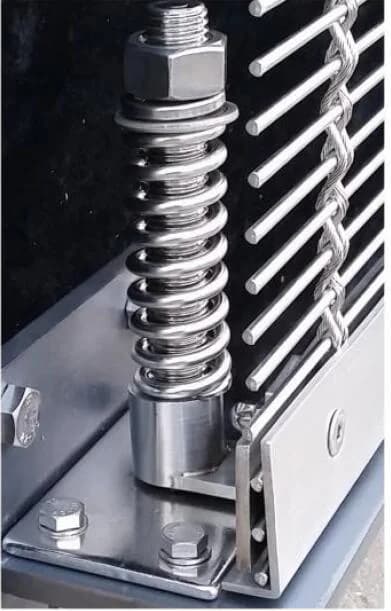
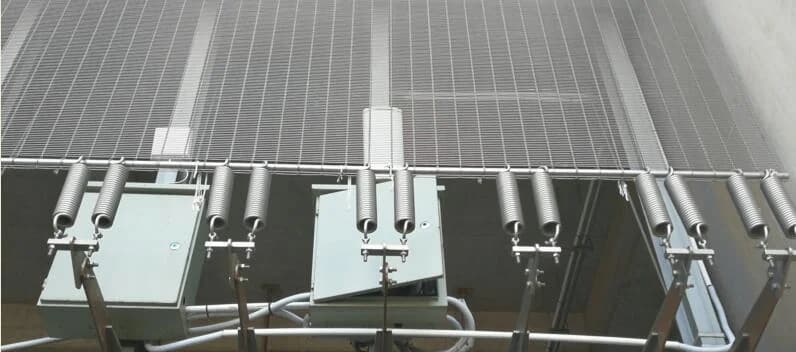
Illustrative connection references. Confirm the model, supporting construction and project drawings before selecting a fixing detail.
Confirm the application, dimensions, orientation, support, edge condition, material and finish direction, installation interface and the decision the sample must prove.
Send a drawing or sketch, application, approximate dimensions, supporting construction, finish direction, quantity, destination and the next decision your team needs.
A sample supports review of visible structure, scale, openness, colour, reflection, edge workmanship and handling. Its approval scope should be recorded.
Keep the approved JA-F004 reference traceable through inspection, protection, packing and receiving review.
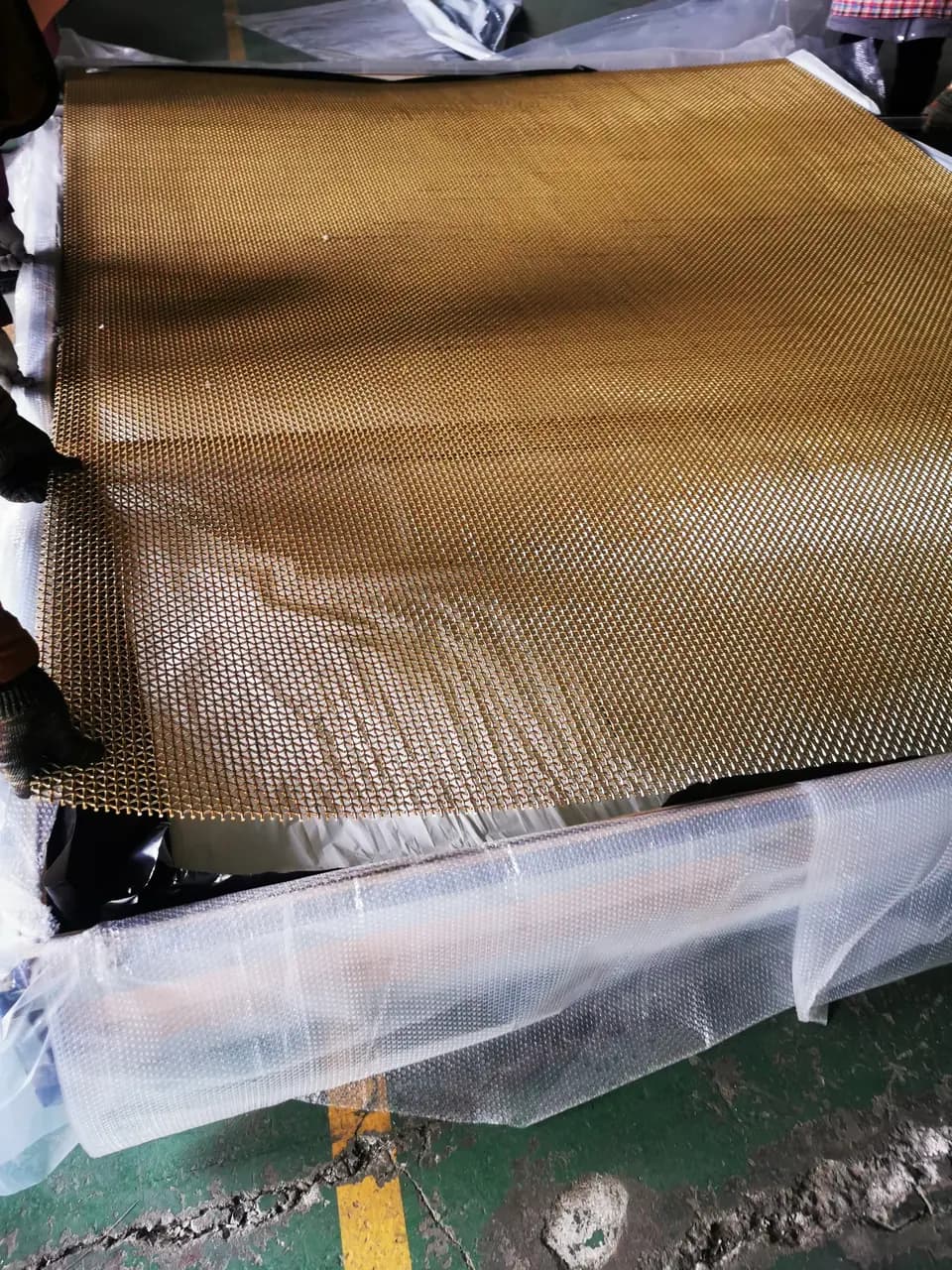
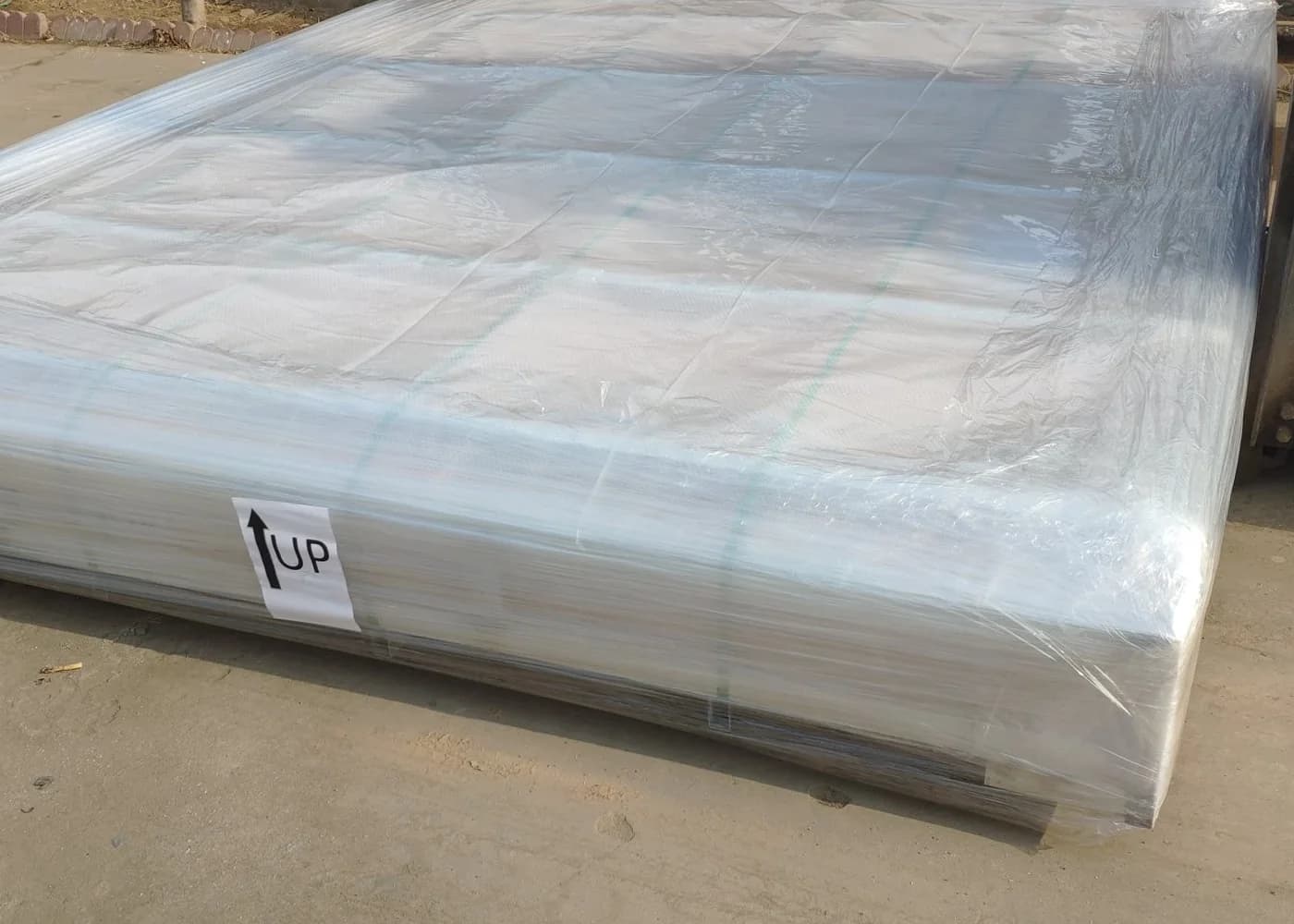
Link JA-F004, the drawing revision and sample comparison to the agreed inspection record.
Review protection for panel ends and the identification of related connection parts.
Keep packing photos, item identification and the packing list linked to the same release record.
Review destination, receiving requirements and agreed delivery documents. For courier samples, tracking is shared after collection.
Share the intended application, drawing or basic dimensions for a project-specific review. JBL Metal will clarify missing information and whether the next step should be drawing review, sample discussion or quotation preparation.