
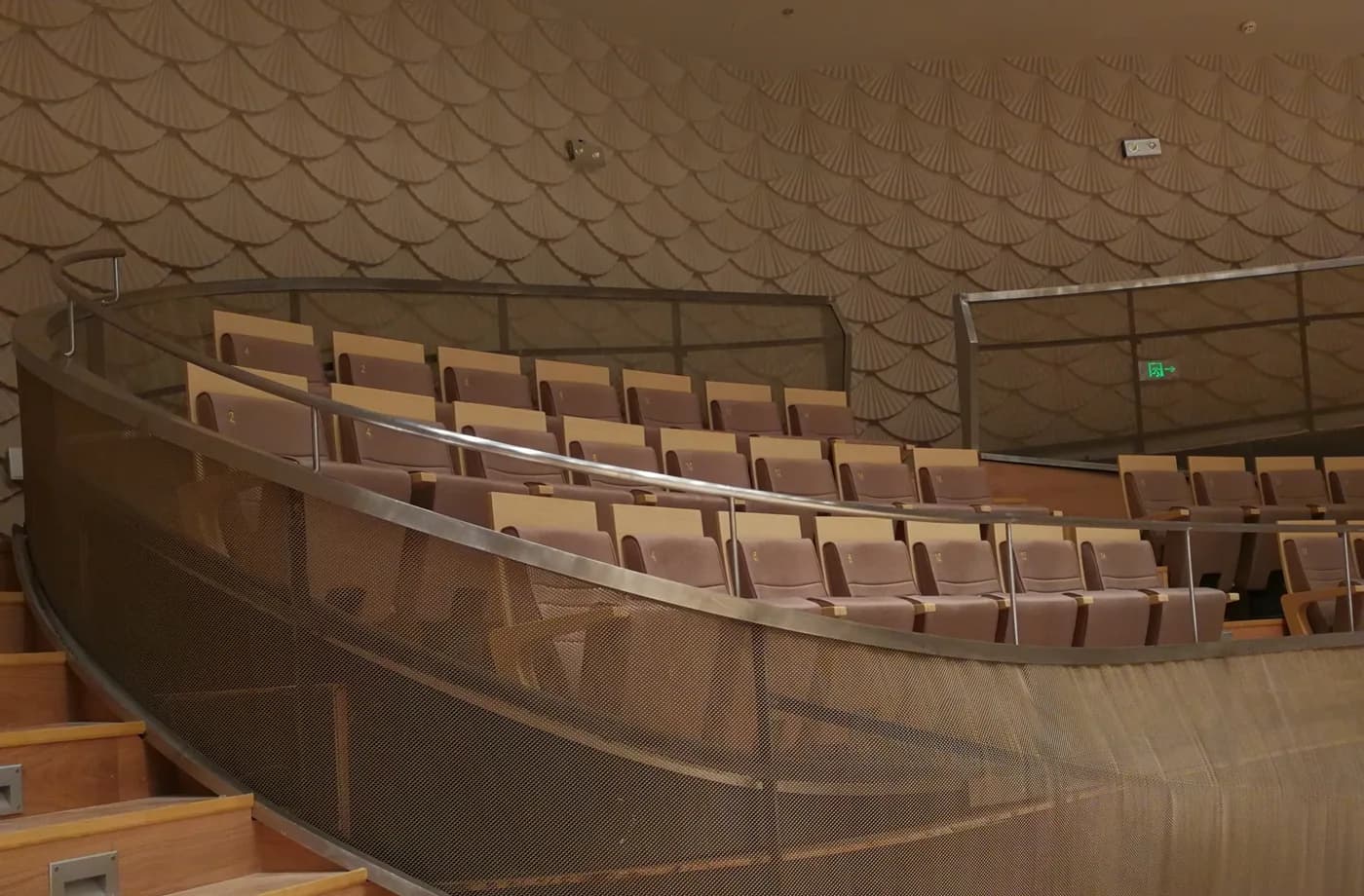
An architectural metal mesh order can begin with a good product and still become difficult. The elevation may change after quotation, the sample may confirm only colour, the edge may not match the support, or the packages may arrive without the installation sequence the site expected. These problems often appear late, but the missing decision usually began much earlier.
Direct answer
The most common architectural metal mesh risks are not one isolated defect. They are breaks in the decision chain: an outdated or incomplete drawing, different interpretations of the product geometry, material or finish selected without the real exposure, undefined edges and support responsibility, a sample that is not tied to the order, uncontrolled revisions, or packing and delivery planned after production. Reduce these risks by giving every critical decision an owner, approval decision, revision and controlling reference before it moves to the next stage.
Connect the visible mesh to the order definition
Our project review follows the information from enquiry through drawing definition, sample approval, order confirmation, inspection and delivery. That process shows where assumptions can separate the buyer’s visual intent from the quoted or produced scope. We use the available record to identify gaps while keeping structural, fire, wind, corrosion, code and installation decisions with the responsible project parties.
Move from project context to a reviewable requirement
Buyer review table for this topic
| Project input | Buyer review basis |
|---|---|
| Buyer question | Which unresolved decisions could change commercial scope, appearance, supplier instructions or installation later? |
| Highest-risk chain | Drawing, specification, material and finish, edges and supports, sample and revision, packing and delivery. |
| Control method | Give each decision an owner, revision, recorded decision and next approval step. |
| What to compare | Quoted scope, exclusions, physical sample, latest drawing, order record and delivery requirements. |
| What to send | Latest drawings, reference images, known interfaces, finish target, quantity, destination and schedule stage. |
1. Drawing and scope risk: different teams may be working from different boundaries
Confirm the controlling drawing revision, the exact area included in the enquiry and whether dimensions describe overall openings, individual panels, rolls or finished framed assemblies. Show pattern direction, divisions, levels, returns, access zones and known interfaces.
If information is incomplete, create an information-gap list and state the temporary quotation assumptions. This lets the project move forward without allowing an early estimate to look like a final production definition.
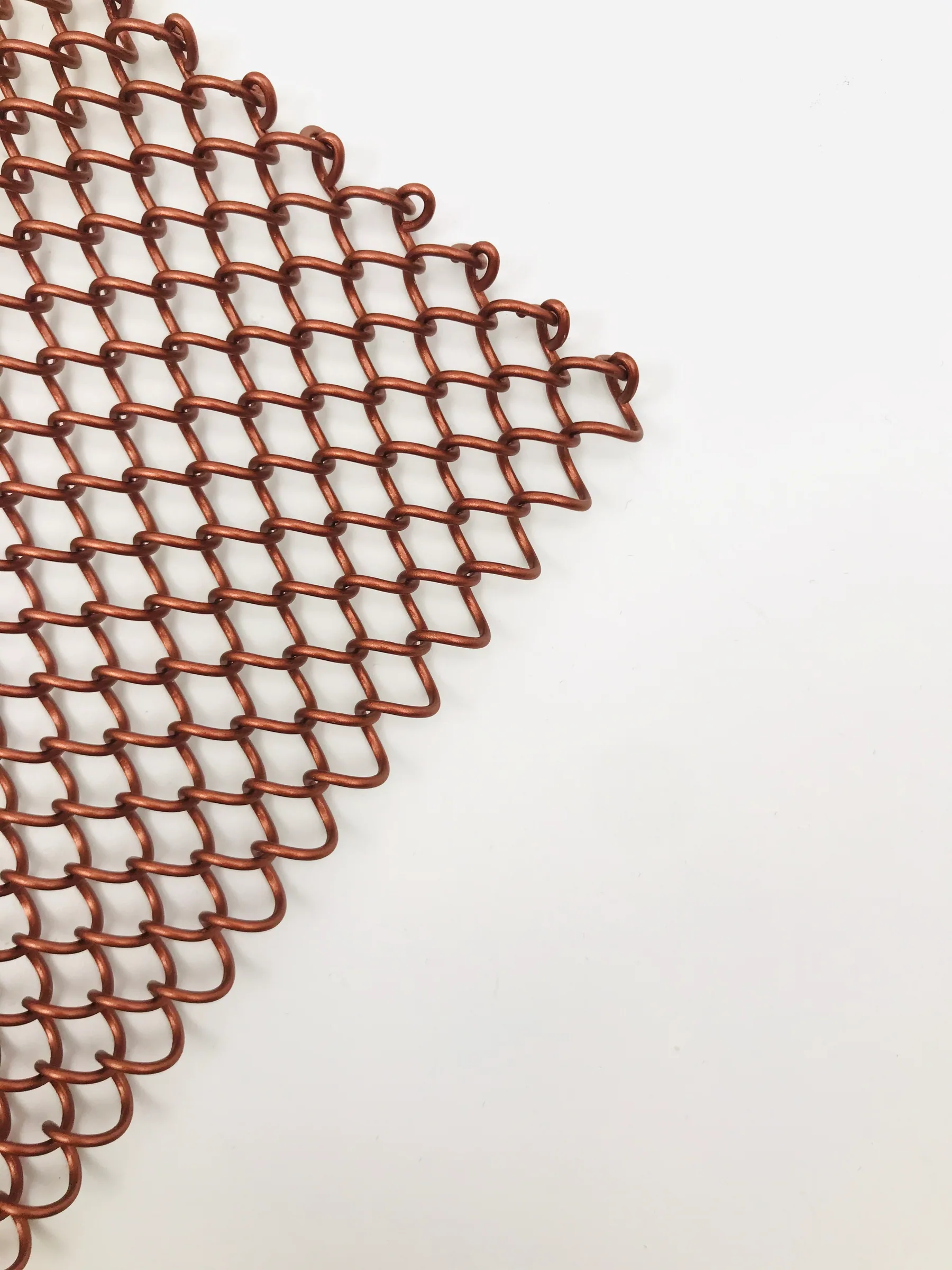
2. Product-definition risk: similar photographs can hide different constructions
State the mesh family, structure, wire, rod, strip or coil dimensions, pitch or opening, orientation, panel or roll format and the basis of any open-area, thickness or weight value. Mark which values are approved, nominal, calculated or project-specific confirmation.
Compare suppliers against the same product definition and processing scope. A quotation for cut mesh, reinforced edges and a framed assembly should not be treated as three prices for the same deliverable.
3. Material and finish risk: a colour name does not define the service condition
Review the application, interior or exterior exposure, coastal or chemical conditions, adjoining metals, retained moisture, drainage, touch points, cleaning access and maintenance expectation before confirming the material and finish route.
Use a labelled physical sample that records the substrate, finish process, colour reference, direction and approval scope. Words such as bronze, gold, black or silver cannot by themselves establish the base material, process, variation or ageing expectation.
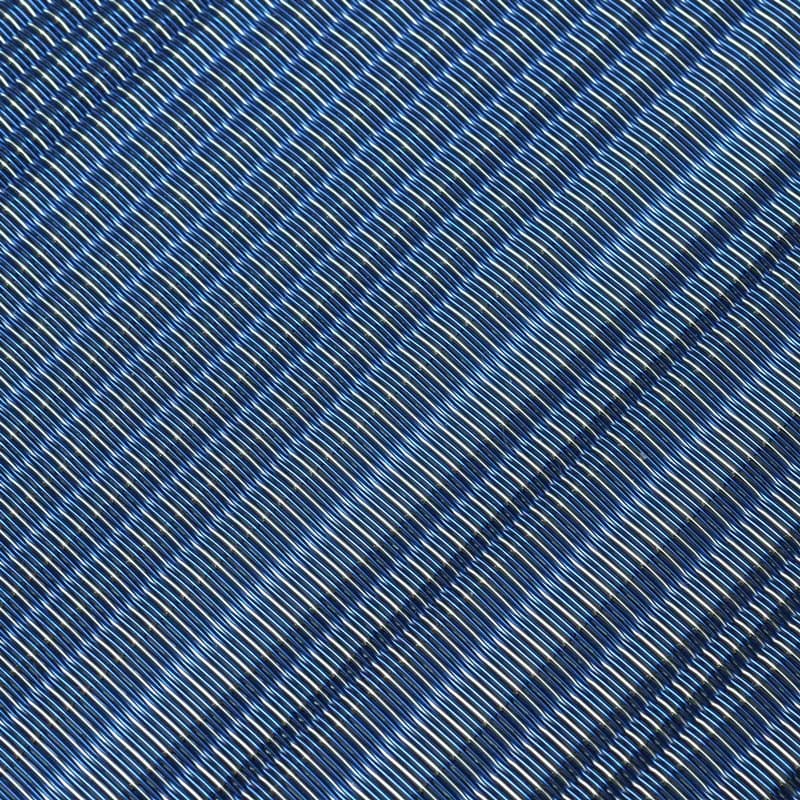
4. Edge and interface risk: the mesh can be correct while the boundary remains unresolved
Define cut, returned, reinforced or framed edges and identify holes, clips, tracks, rods or other accessories included in the order. Show the available supporting construction and the space needed for connections, movement, access and installation.
Write the responsibility boundary into the review. Product drawings can coordinate the mesh-side condition, but they should not silently transfer responsibility for supports, anchors, structural performance or final installation approval.
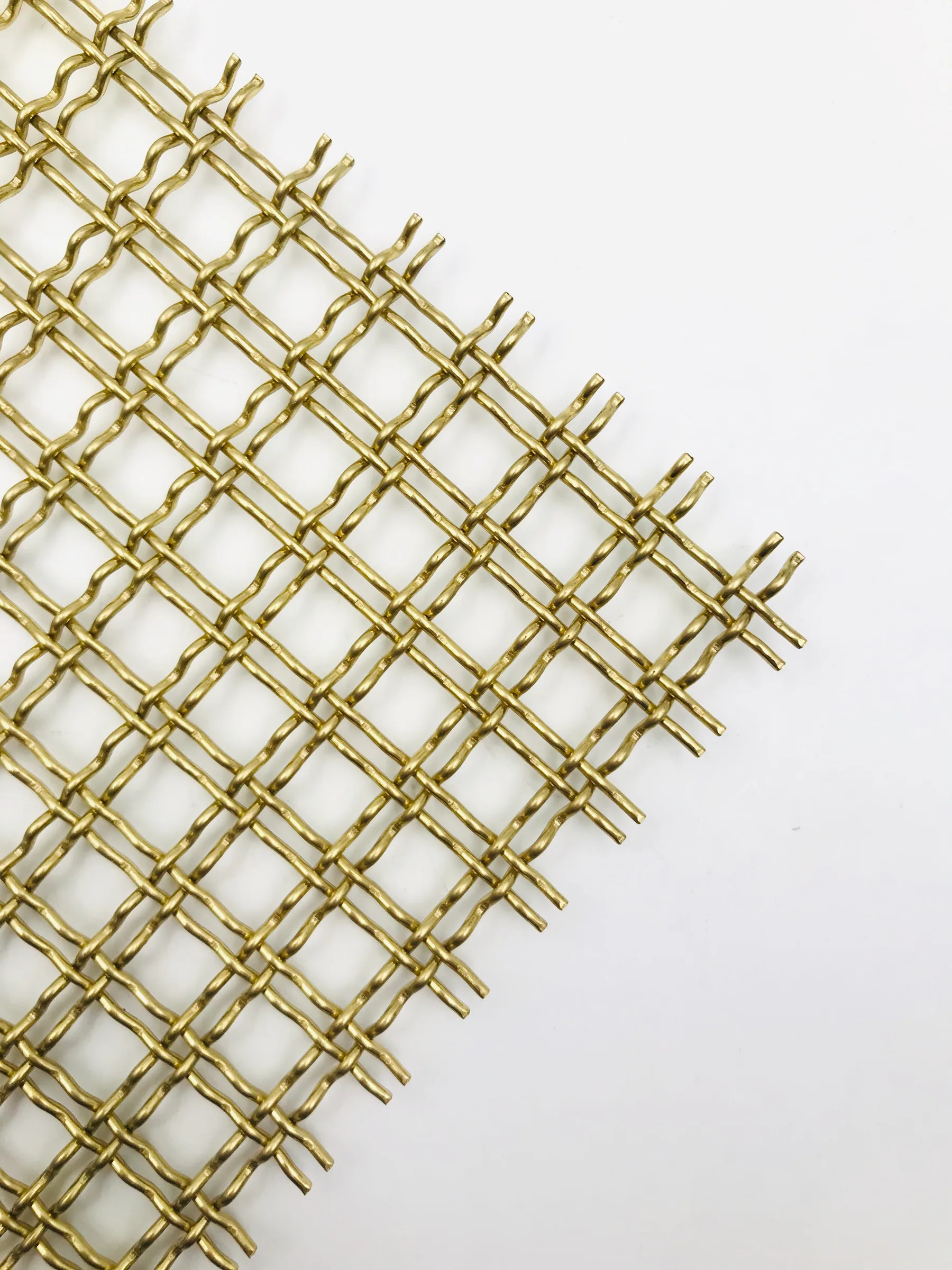
5. Sample and change risk: approval loses value when it is separated from the order
Before sampling, state the questions the sample must answer: structure, scale, direction, colour, texture, edge, flexibility or another visible feature. Record what it does not prove, particularly full-size behaviour and project performance.
After approval, connect the sample identity to the latest drawing, quotation and order. Any later change to material, finish, geometry, edge or source should enter a revision record and be reviewed for technical, visual, commercial and schedule effects before production continues.
6. Inspection and delivery risk: acceptance and site sequence must be planned before packing
Define the checks relevant to the order, such as product identity, dimensions, direction, quantity, finish reference, edge or frame details and package labels. State which characteristics are visual, measured or subject to a project-approved reference.
Coordinate protection, package size, label language, area or level sequence, destination and receiving constraints before dispatch. Packing cannot correct an undefined product, but a defined product can still be damaged or delayed when handling and identification are treated as an afterthought.
Make hidden assumptions visible before order release
Project review practice: Risk review traces the decision chain: which drawing controls geometry, which sample controls appearance, which quotation controls scope, who owns the support decision and which revision released the order. This reveals where parties may believe they accepted the same requirement while their documents show different answers.
How a specification becomes a reviewable order basis
SituationThe project is moving toward quotation, sampling or production while one or more critical decisions remain distributed across drawings, messages and images.
What we reviewDrawing revision, product definition, material and finish, edges and interfaces, sample scope, changes, inspection, packing and delivery information.
Why it mattersAn unresolved assumption can change the product, commercial scope, approval basis, production instruction or site expectation.
What is confirmedControlling references, approved decisions, temporary assumptions, responsibility boundaries, open items and the next release point.
Buyer lessonAsk for the decision record, not only the product name and commercial total.
Know where general guidance must stop
- Do not treat this general risk guide as a project-specific engineering, wind, fire, corrosion, code, anchor or installation assessment.
- Do not release production from an unlabelled sample, obsolete drawing or quotation with hidden assumptions.
- Do not compare suppliers until product construction, finish, edges, accessories, packing and responsibility boundaries use the same basis.
- Do not assume inspection or packing can compensate for an undefined order scope.
Questions buyers ask before quotation
What is the first risk to check in an architectural metal mesh enquiry?
Check whether the latest drawing, application area, dimensions, pattern direction and required next decision are clear. If the starting reference is uncertain, later quotations and samples may solve different scopes.
Why can two similar mesh quotations carry different project risks?
They may use different material, dimensions, orientation, edges, frames, accessories, finish processes, packing assumptions or responsibility boundaries even when the product name and photograph look similar.
Does an approved colour sample approve the complete mesh?
Only if its written approval scope says so. A colour sample may not confirm final geometry, full-panel behaviour, edge treatment, interface, tolerance or project performance.
Who should approve the mesh support and fixing system?
The responsibility must be stated for the specific project. Product-side edge and connection information can support coordination, while structural, anchor, wind, fire, code and installation approval belongs to the responsible project professionals.
How should drawing or sample changes be controlled after quotation?
Give each change a revision, date, description, commercial or technical effect and approval decision. Reconnect the accepted change to the quotation, sample, order and production release.
What should be checked before an architectural mesh order ships?
Check product identity, quantity, visible finish and edge requirements, labels, protection, package sequence, destination information and the agreed inspection records applicable to the order.
Apply the guidance to the current drawings
Share the available information and state the next decision your team needs JBL Metal to review.